
West Lake: Reading a View When the Snow Is Absent
Explore how poetic names, causeways and viewing places shape West Lake, where season, time and imagination join the landscape without requiring one perfect scene.
West Lake, HangzhouObservation essay
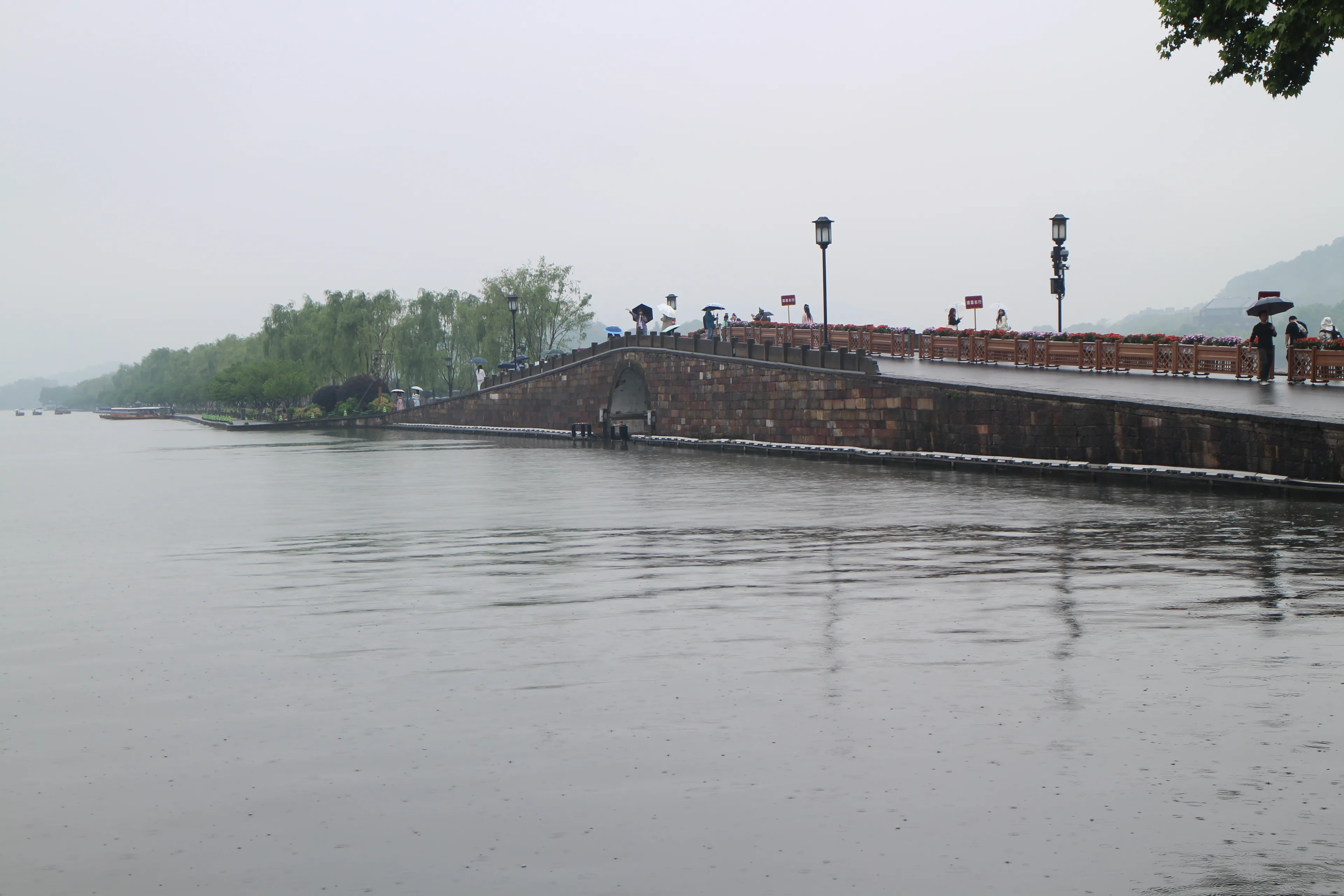
A name can contain weather that is not there
Lingering Snow on the Broken Bridge and Autumn Moon over the Calm Lake introduce conditions beyond a location: weather, season and a particular time. Arriving without snow or during daylight does not mean the place has failed to appear.
Unlike a label used only for navigation, a scenic name proposes an image before the visitor arrives. The actual setting may correspond to it or differ. That difference can begin an interpretation rather than end the visit.
Snow is not a permanent requirement for the bridge
Broken Bridge provides a recognisable structure, while lingering snow directs attention towards a temporary state. The name links a place with a moment; it need not describe the bridge’s everyday physical condition.
On a clear day, identify the connection to the causeway, the water on each side and the hills beyond. Distinguish those visible relationships from the image suggested by the words. Imagination adds another view without replacing observation.
A causeway also changes the shape of looking
A shoreline holds the observer on one side of water. A causeway brings water to both sides and creates new directions for looking. Forward, backwards and sideways no longer produce the same composition.
UNESCO’s account treats causeways, islands, pavilions and surrounding hills as parts of a cultural landscape. Human intervention helps organise contact with the lake. That does not require attributing every surviving feature to one historical act of design.
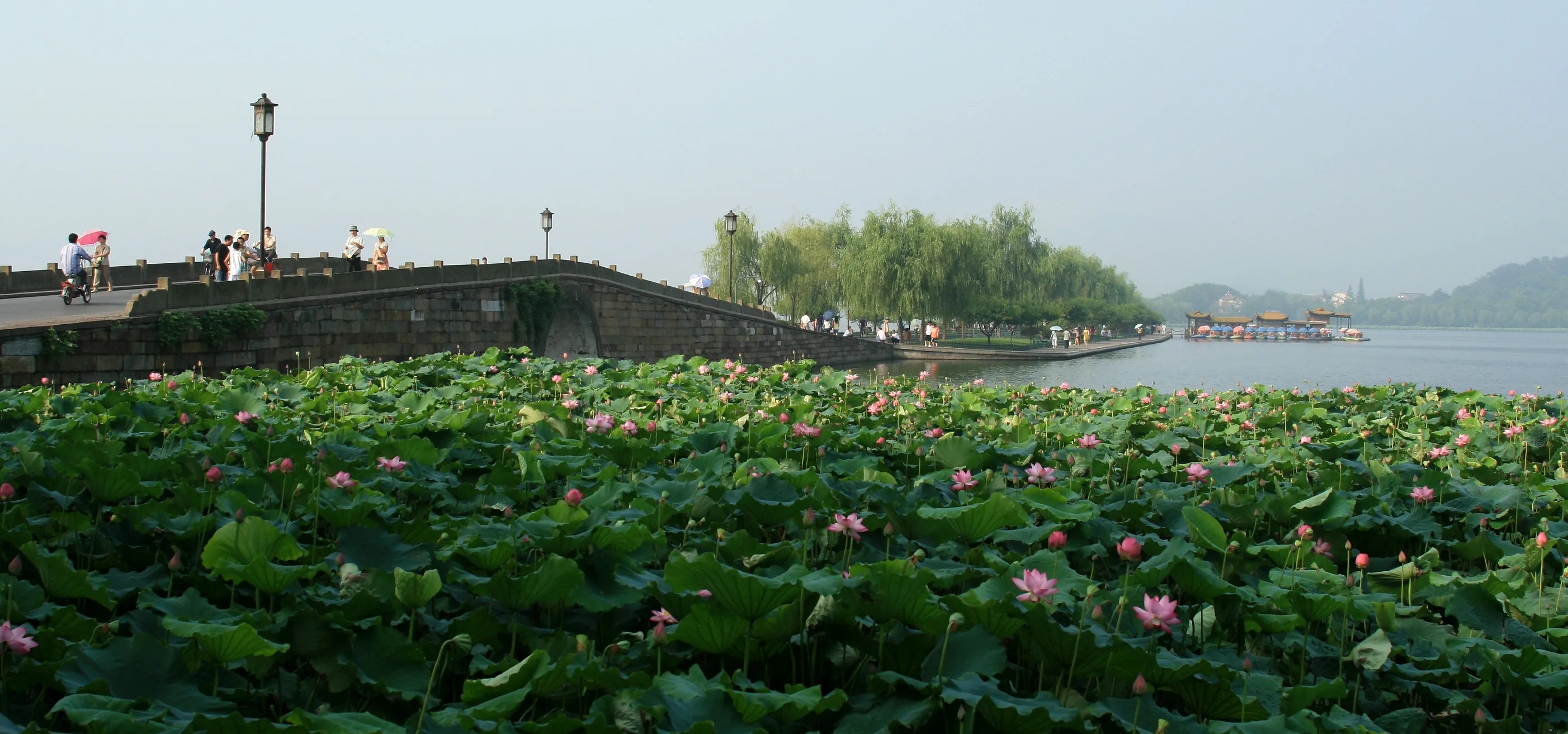
Autumn Moon includes a time within the place
The name Autumn Moon over the Calm Lake adds season and light to a lakeside setting. A platform, pavilions and open water give the proposed image somewhere to occur, even when its full conditions are absent.
Moonlight reflected on water is not a permanent object. Weather and surface conditions participate. Comparing every daytime visit with an ideal night photograph mistakes variability for failure. The name offers a possibility rather than invalidating other hours.
Ten scenes represent a selection, not the entire lake
UNESCO traces the poetically named Ten Scenes to the Southern Song tradition. Selecting, naming and depicting views is itself cultural activity. It gives particular directions, times and associations a durable identity.
But ten names do not exhaust what can be seen. Shadows on Gushan, the water beside a path and people against distant hills also belong to a particular day. Familiar names can introduce the landscape without excluding unnamed details.
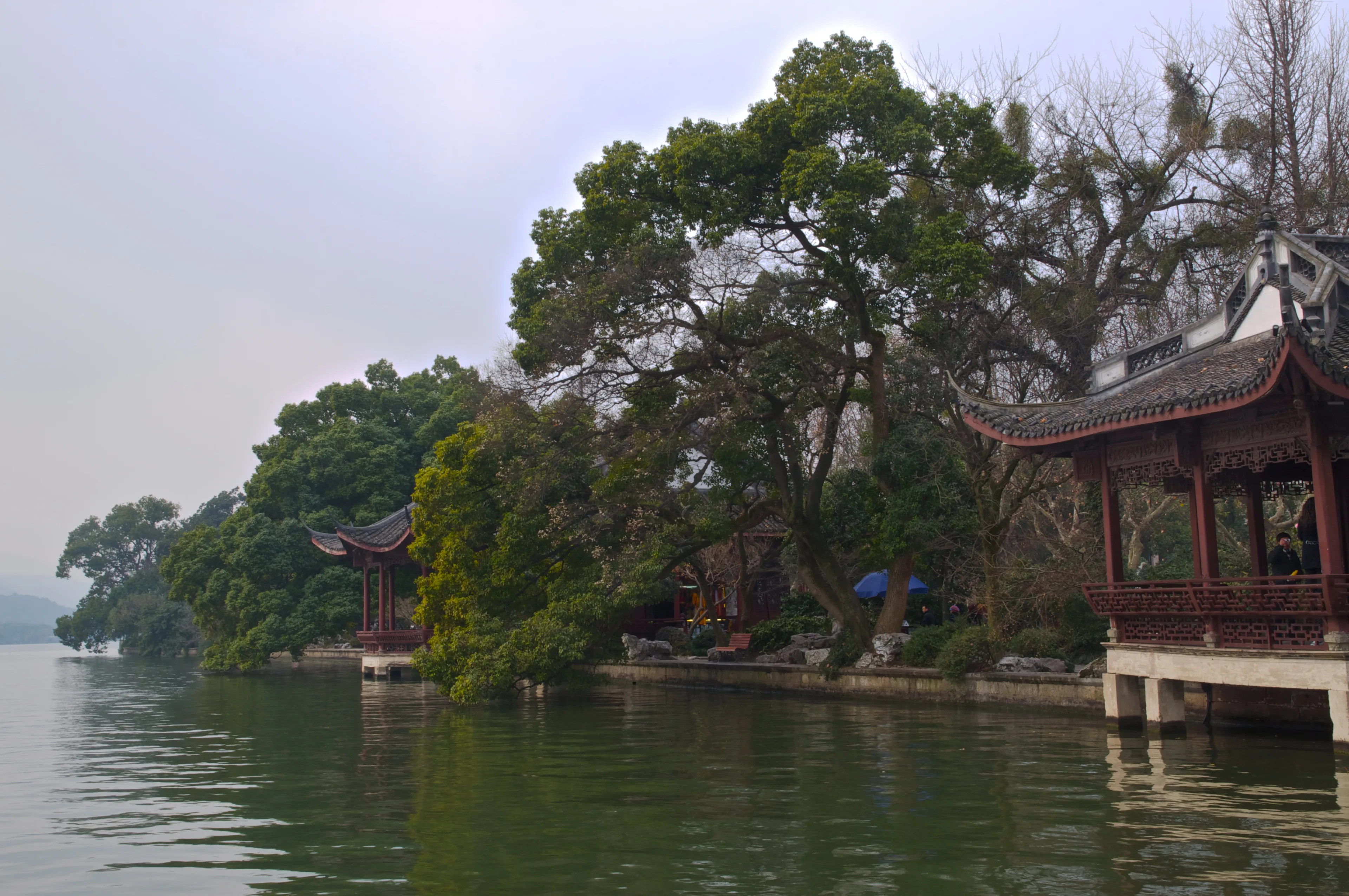
Do not wait for every condition before looking
A short visit will rarely combine snow, moonlight and several seasons. Treating each name as a required picture creates an impossible assignment. Instead, establish the physical setting and then consider what time or imagination the name adds.
A useful memory can concern how a causeway changes proximity to water or how words guide attention. West Lake’s cultural meaning lies partly in that encounter between name and setting, which do not need to coincide completely.
References
These sources inform the essay’s historical and local context. Its observations and interpretations are original to WalkThere.
UNESCO World Heritage Centre
West Lake Cultural Landscape of HangzhouHeritage context for West Lake’s connections with poetry and painting.
杭州市文化广电旅游局
西湖十景之断桥残雪Official local context for the named view of Broken Bridge in snow.