
Washington Monument: stone and the long pause
Read the monument through interrupted construction, different stone sources and changing viewing distance, with three distinct photographs and National Park Service references.
Washington National MallObservation essay
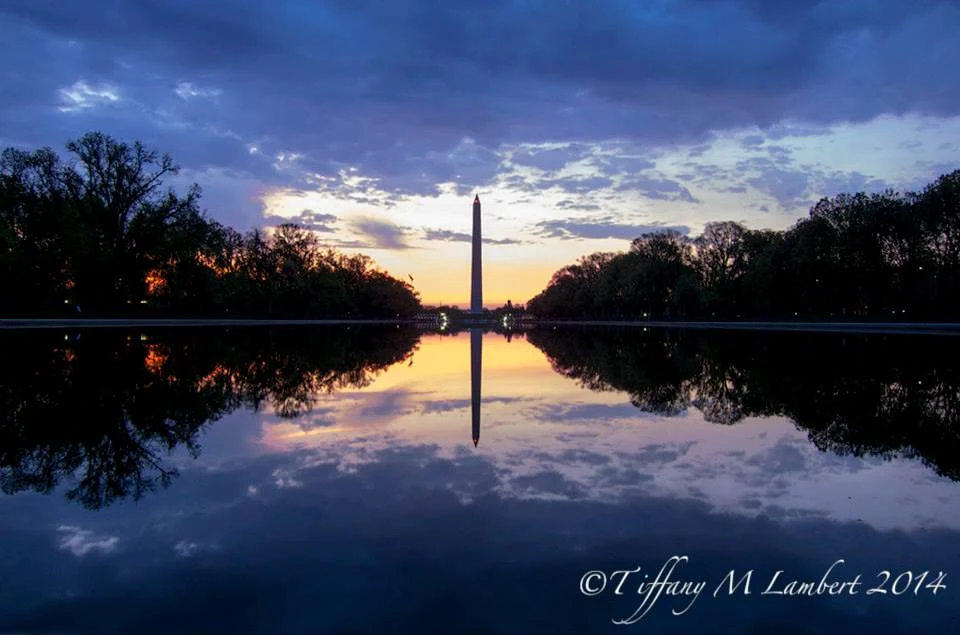
A silhouette can conceal a process
Across the Reflecting Pool, the monument reads as a clear form: shaft, pointed top and reflection. Recognition is immediate. That completeness can obscure the fact that construction did not proceed without interruption.
Move attention down from the summit towards surfaces and joints. At a distance the shaft appears unified; closer inspection introduces differences. An uneven area may offer historical information rather than simply spoil a clean image.
An unfinished presence
The NPS distinguishes an initial privately funded phase from later public completion. Work began in 1848 and stalled around 1854 as funding failed. Before the familiar completed shape, an unfinished structure occupied the city for years.
A pause can seem brief in a timeline while remaining physically present through changing lives and circumstances. People continued to pass the site. An incomplete project does not disappear from everyday surroundings until construction resumes.
Stone from another source
The NPS explains that the original stone source was unavailable when building resumed, leading to other quarries and subtly different colours. The structure could continue upwards without achieving an exact surface match.
Material supply gives the interruption a tangible consequence. Procurement and delivery leave results within the appearance of a monument. A change in colour can therefore lead beyond aesthetics towards the practical history of restarting work.
Support before height
The official construction timeline records foundation strengthening before the shaft resumed its ascent in 1880. The conspicuous upward work depended on changes in a less immediately visible place.
Height often dominates photographs; support rarely does. Considering both restores the physical demands behind a simple outline. Stability involves loads and foundations as well as the form encountered by looking upwards.
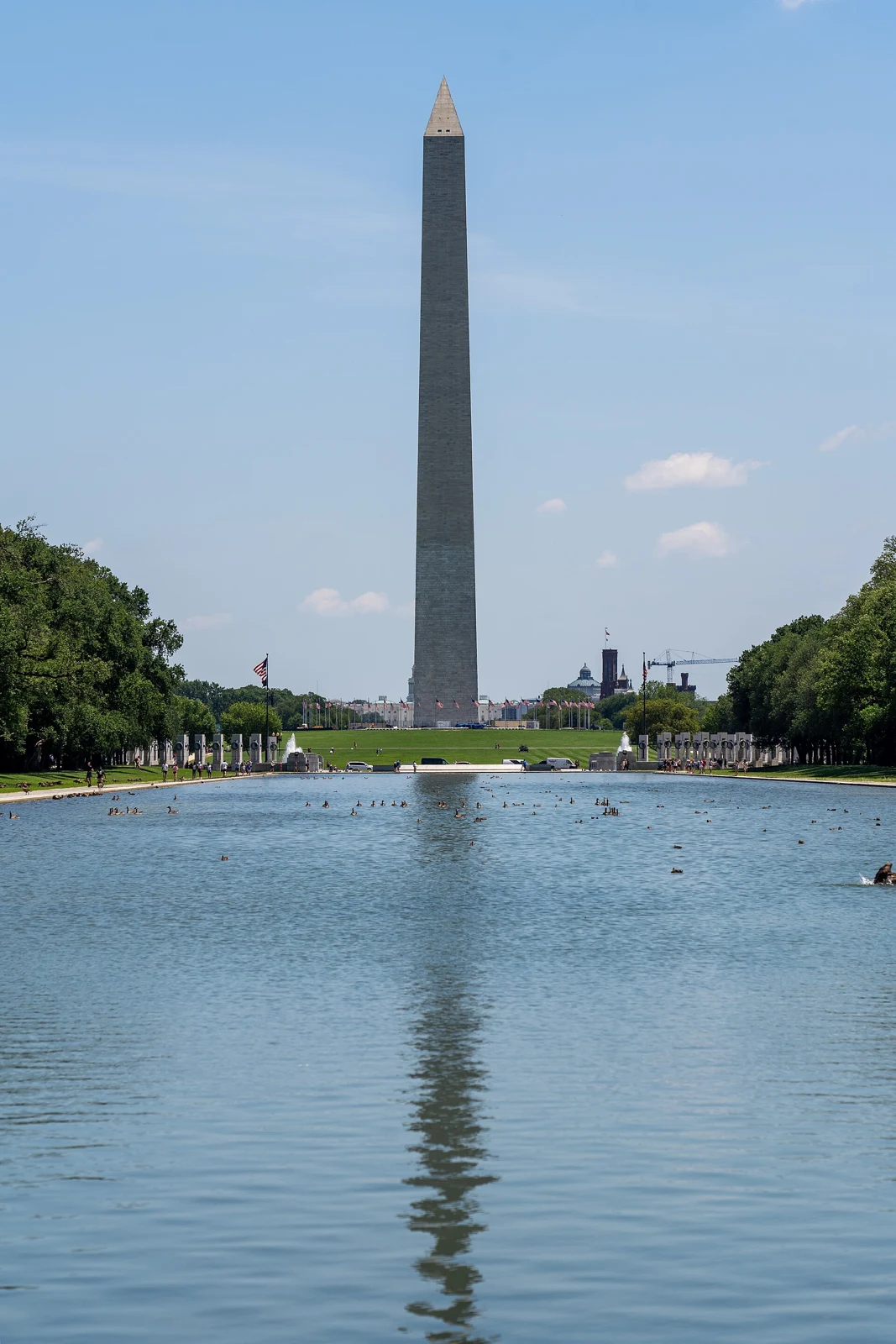
Reflection favours the whole
The two pool views here record separate dates and lighting. Reflection extends the shaft downwards and strengthens the central line. Following that complete shape tends to move material detail into the background.
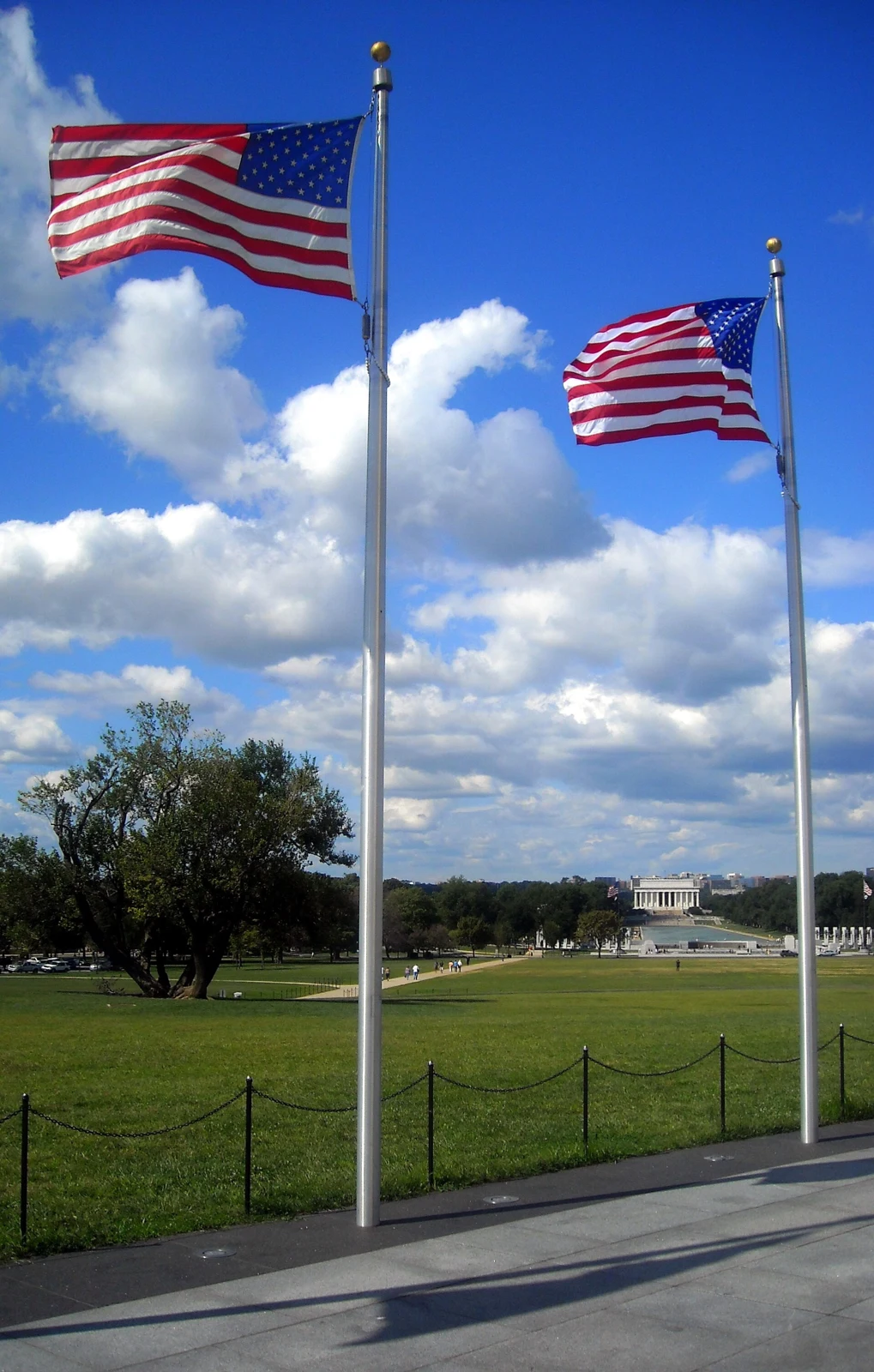
The base-and-flags photograph changes the balance of sky, grass and stone. These images do not provide a colour-testing standard. They compare viewing distances: an outline rewards stepping back, while surfaces and construction history ask for closer attention and records.
Completion retains interruption
The official timeline dates completion to 1884. That endpoint did not erase the preceding pause from the material. The monument retains both a finished image and evidence of an uneven process.
Begin with the whole, then allow time for differences. Current entry and ascent arrangements require official guidance separately. Even an exterior visit can leave a practical question: where does a completed building retain traces of beginning again?
References
These sources inform the essay’s historical and local context. Its observations and interpretations are original to WalkThere.
National Park Service
History & Culture: Washington MonumentOfficial history of construction phases, interruption and different stone sources.
National Park Service
Washington Monument Construction TimelineTimeline of foundation strengthening, resumed shaft work and completion.
More journey background
Related journey sources
- America’s Founding Documents — National Archives
- Capitol Dome — Architect of the Capitol
- A History of the National Archives Building — National Archives
- National Capital Region proposed regulations: memorial description, page 23 — National Park Service
- Wall of Stars — National Park Service
- Exterior Features — National Park Service
- Lincoln Memorial Building Statistics — National Park Service
- Ulysses S. Grant Memorial — Architect of the Capitol
- Our History — National Gallery of Art
- Vietnam Veterans Memorial — National Park Service
- Martin Luther King, Jr. Memorial — National Park Service
- Book a Tour — U.S. Capitol Visitor Center
- Visit the National Archives — National Archives
- Plan Your Visit — National Park Service