
San Telmo: Where Old Objects Go After Leaving Home
Connect Plaza Dorrego’s fair, the covered San Telmo Market and Defensa Street to examine how household objects enter public display, trade and neighbourhood memory.
Buenos Aires San TelmoObservation essay
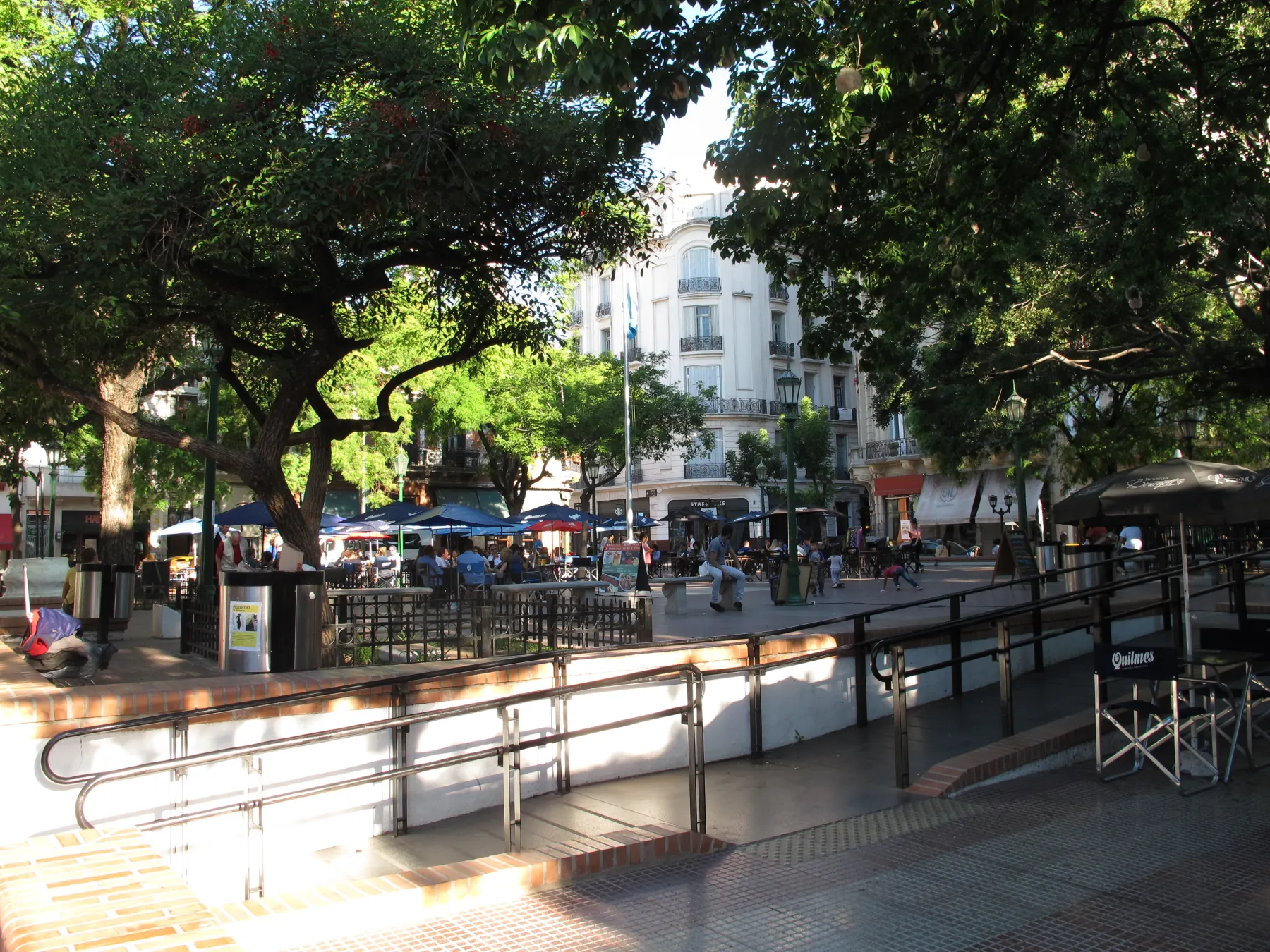
An old object need not reveal a complete biography
Wear, decoration or a repair can draw attention to an object on a stall without identifying its previous owner. It is tempting to turn a small mark into an elaborate domestic story.
San Telmo rewards keeping uncertainty visible. Appreciate workmanship and ask about provenance, but age alone does not establish a life history. The object has passed through time; its particular journey still needs evidence.
The fair has a specific beginning
Buenos Aires’ tourism account describes José María Peña’s initiative in 1970 to revitalise the district through a fair, beginning with thirty neighbours selling old belongings. The origin involves a deliberate move from domestic possession into shared space.
A display table becomes an interface: things leave cupboards, acquire prices, prompt questions and pass to new users. Value lies not only in rarity but also in bringing previously dispersed objects together for public examination.
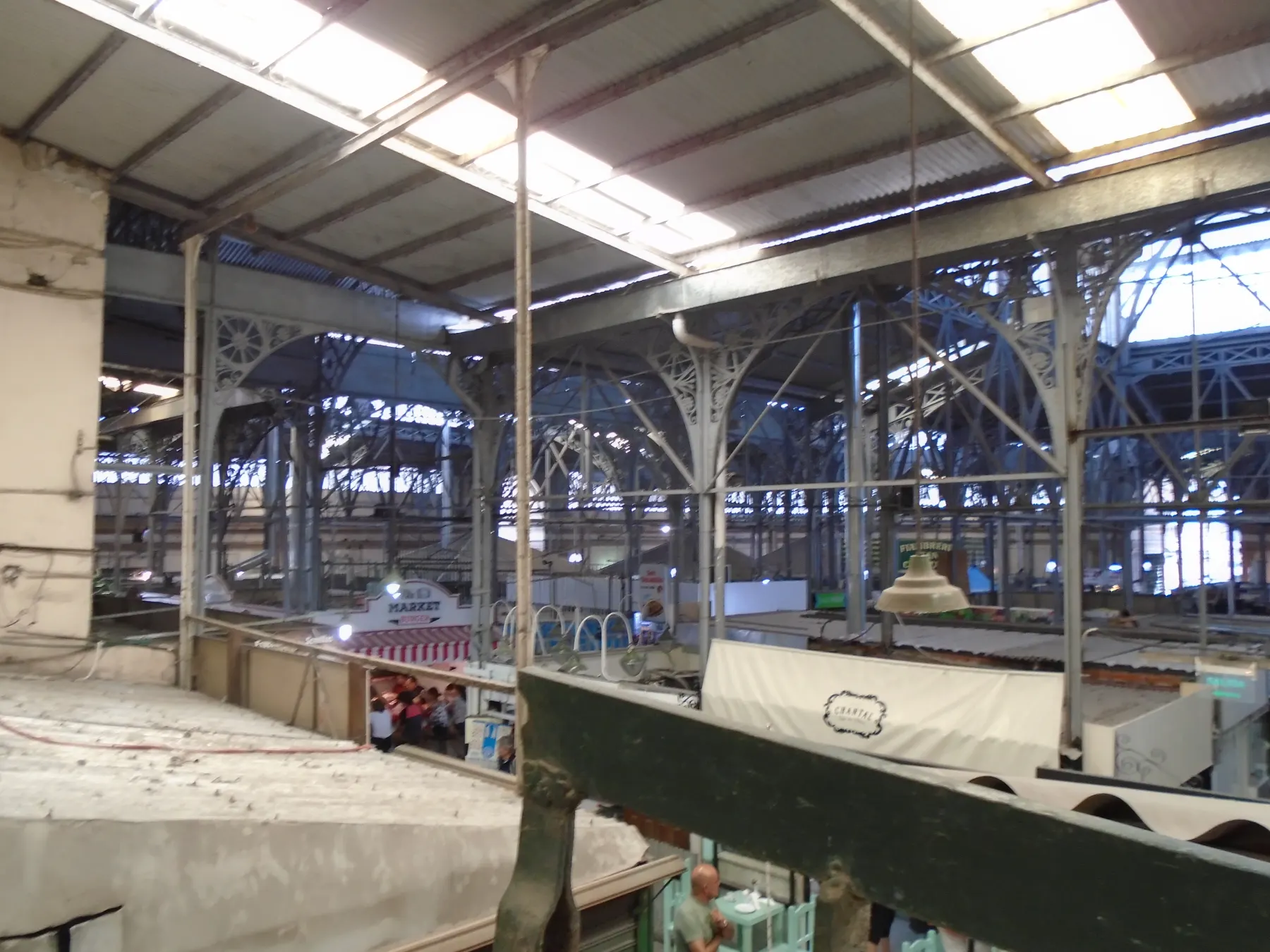
The open-air fair and covered market differ
Plaza Dorrego’s fair should be distinguished from Mercado de San Telmo, a building with fixed interior space and an iron structure. Related trading activities do not make them one destination with identical arrangements.
The official account dates the covered market to 1897 and connects it with supplying immigrants. Supports, arches and roof organise stalls within it. That fixed setting and a temporary display in the square offer different encounters between people and goods.
Defensa Street extends the pause
Shopfronts and windows along Defensa distribute looking over a longer stretch than a single display table. Official interpretation connects the street with the antiques trade, making it part of the commercial setting rather than merely a route to the fair.
The district’s reputation cannot authenticate an individual item. Age, origin and later repairs need separate examination. Distinguishing casual appreciation, a souvenir purchase and serious collecting is more useful than assuming every old-looking object has a verified provenance.
The same square changes with its programme
The city’s tourism information identifies the Sunday fair. At other times the paving, trees and surrounding buildings remain, even without the same stalls. A photograph of tango records an event rather than guaranteeing a performance on every visit.
Decide whether the aim is to understand the place or attend a scheduled activity. The two may coincide but require different checks. Confirm current events and let the square’s actual use differ from a familiar busy image.
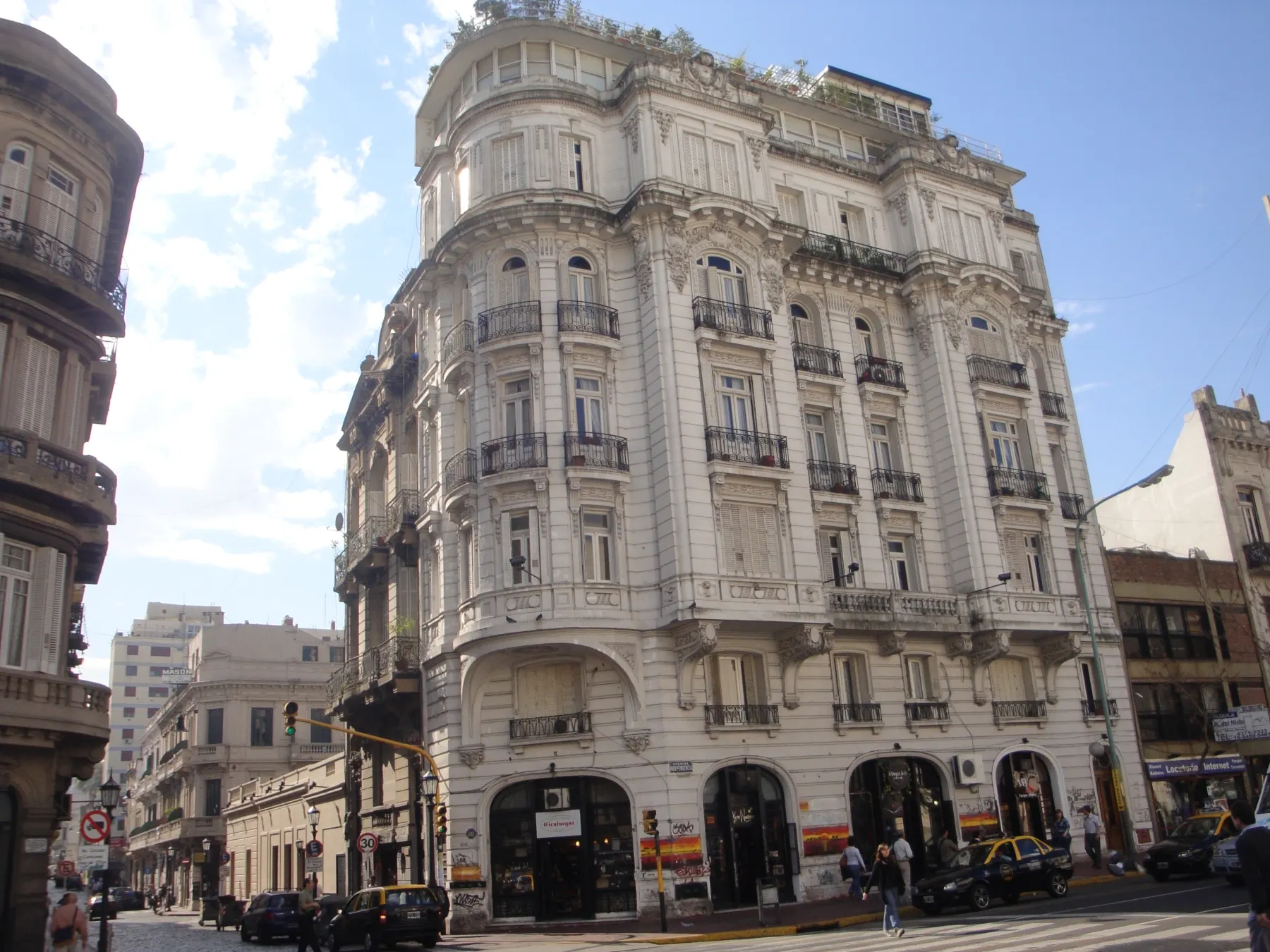
Observation need not end in a purchase
Identifying a use, comparing objects and recognising what remains unverified can be enough. A few specific details are more valuable than attributing an entire city’s spirit to every old possession.
The relationships are tangible: belongings move into a square, temporary stalls sit near permanent shops and an older market accommodates changing uses. Memory is organised through selection and exchange as well as preservation. That is a clearer account than an invented story for each object.
References
These sources inform the essay’s historical and local context. Its observations and interpretations are original to WalkThere.
Buenos Aires Tourism
Plaza DorregoBackground on Plaza Dorrego and the Sunday antiques fair.
Buenos Aires Tourism
Mercado de San TelmoThe building and use history of the covered San Telmo market.
Buenos Aires Ciudad
San Telmo historic circuitLocal context for Defensa Street and the district’s commercial setting.
More journey background
Related journey sources
- Plaza de Mayo — Buenos Aires Ciudad
- El Cabildo — Buenos Aires Tourism
- San Telmo — Buenos Aires Tourism