
Paul Revere House: more than one household
Read the Boston house through its earlier owner, later renters and shops, restoration and yard archaeology, with three different photographs and primary references.
Boston Freedom TrailObservation essay
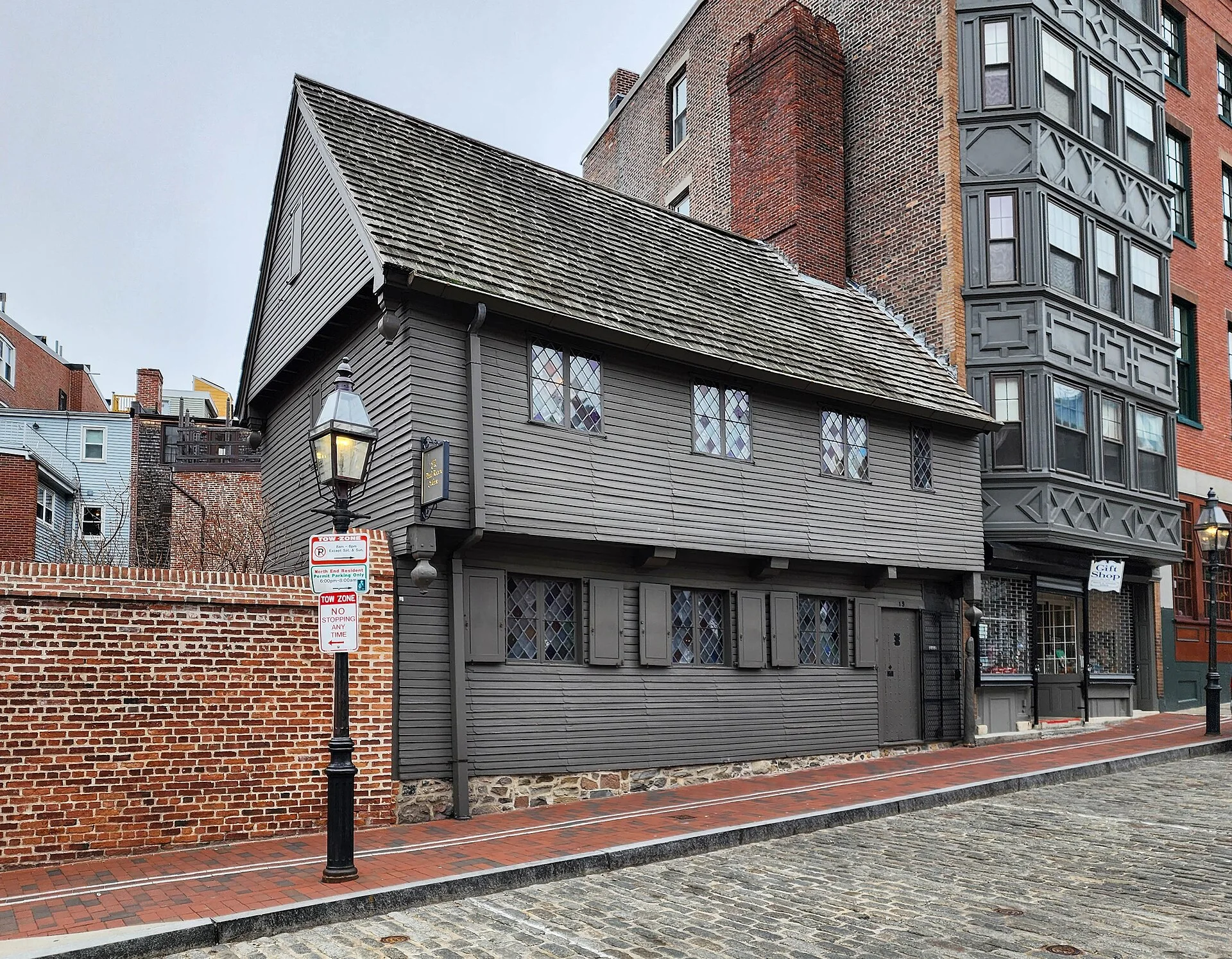
A name covers only part of the timeline
A famous name makes a house easy to locate and can make other periods harder to remember. Paul Revere’s house in Boston’s North End had a substantial history before it acquired that association.
The museum dates construction to about 1680 and Revere’s purchase to 1770. Separating those moments opens nearly a century before his ownership. The building becomes more than a backdrop to a celebrated departure.
Who lived with the first owner?
Boston’s archaeology account identifies the merchant Robert Howard as an early owner and Samuel as a man he enslaved who lived on the property. It names other enslaved people while leaving some residence questions unconfirmed. Those distinctions should remain intact.
The same doorway did not imply the same conditions for an owner and an enslaved resident. An exterior photograph cannot reveal that difference by itself. Remembering a name absent from the attraction’s title is another way of attending to the house.
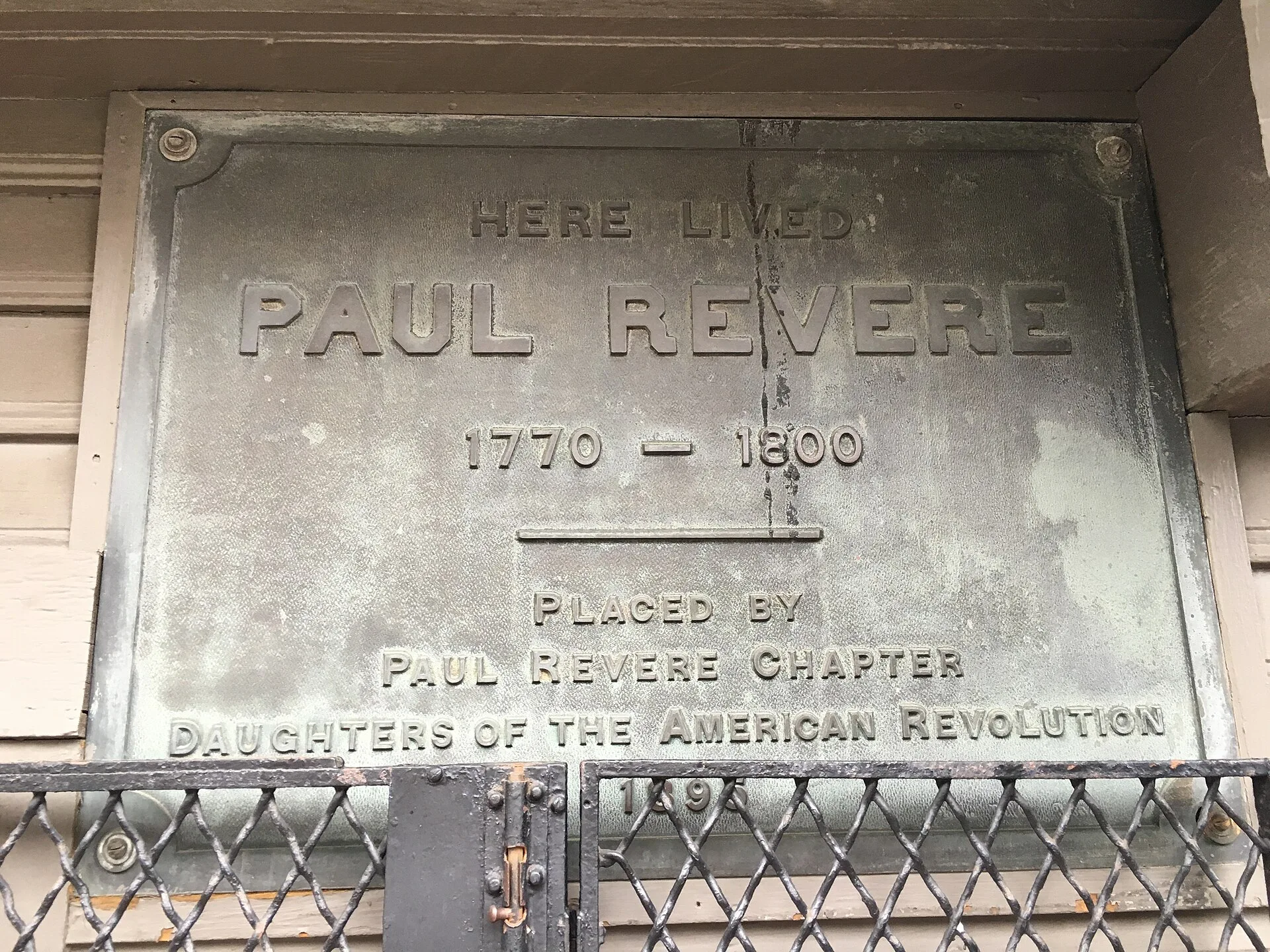
Use continued after Revere
The museum records boarding, rented accommodation and ground-floor businesses after Revere sold the property. A house now encountered as a memorial also had to accommodate changing occupants and livelihoods. Its useful life continued beyond his departure.
Such buildings do not remain untouched like objects in storage. People need places to live and trade. Adaptations accumulate, leaving later custodians to decide which periods to make most visible.
Restoration selects a period
The museum describes an early-twentieth-century restoration towards a late-seventeenth-century appearance, followed by public opening in 1908. That means presenting a particular period rather than showing every stage equally.
Looking at the restored form can coexist with remembering later renters and businesses. Their history may be less apparent on the surface. Written interpretation helps return time to an exterior that otherwise appears settled.
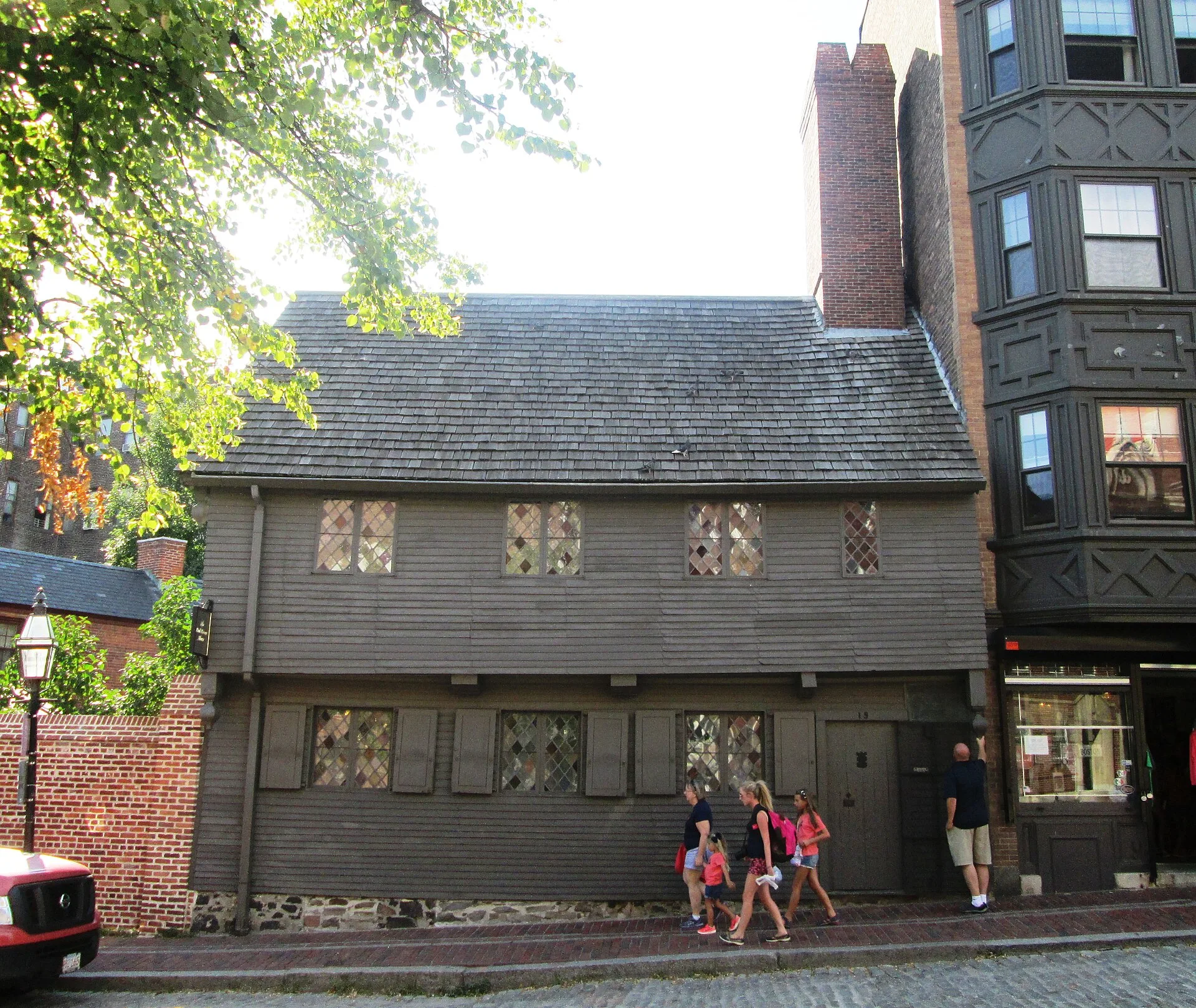
Another archive beneath the yard
The city’s archaeology account covers investigations at the house and former rear-yard land later occupied by Lathrop Place row houses. Standing buildings and buried remains retain information in different ways. One is immediately visible; the other requires investigation and interpretation.
The photographs here show exteriors, not excavated objects. They should not be treated as images of archaeological evidence. They offer a starting point for connecting what survives above ground with questions explored through the site records.
Return the house to a street
Following only a famous biography can turn the neighbourhood into a mere approach. Earlier domestic, rental and commercial uses depended on street connections and nearby buildings. Doorways and distances shaped ordinary activity.
These separate photographs do not form an interior tour. Together they leave a broader question: how can a preserved house tell the story of a celebrated occupant while making room for residents whose names never became its address?
References
These sources inform the essay’s historical and local context. Its observations and interpretations are original to WalkThere.
Paul Revere Memorial Association
Paul Revere HouseThe museum account of construction, ownership, later uses and restoration.
City of Boston
Paul Revere House archaeological sitesCity records on earlier residents, enslavement and yard archaeology.
More journey background
Related journey sources
- Boston Common — National Park Service
- Boston Common archaeology — City of Boston
- The Massachusetts State House — Commonwealth of Massachusetts
- Visit the State House — Massachusetts Legislature
- Old State House — National Park Service
- Boston Slavery Exhibit — City of Boston
- Frequently Asked Questions: Faneuil Hall and slavery — National Park Service
- Granary Burying Ground — City of Boston
- King’s Chapel — National Park Service
- Old South Meeting House — National Park Service
- History of Old North Church — Old North Church