
Nara temple approaches: Nandaimon, Nigatsudo and Kasuga Taisha
Look beyond Nara’s deer to the scale of temple entrances, passages and shade in three journey chapters.
Nara ParkObservation essay
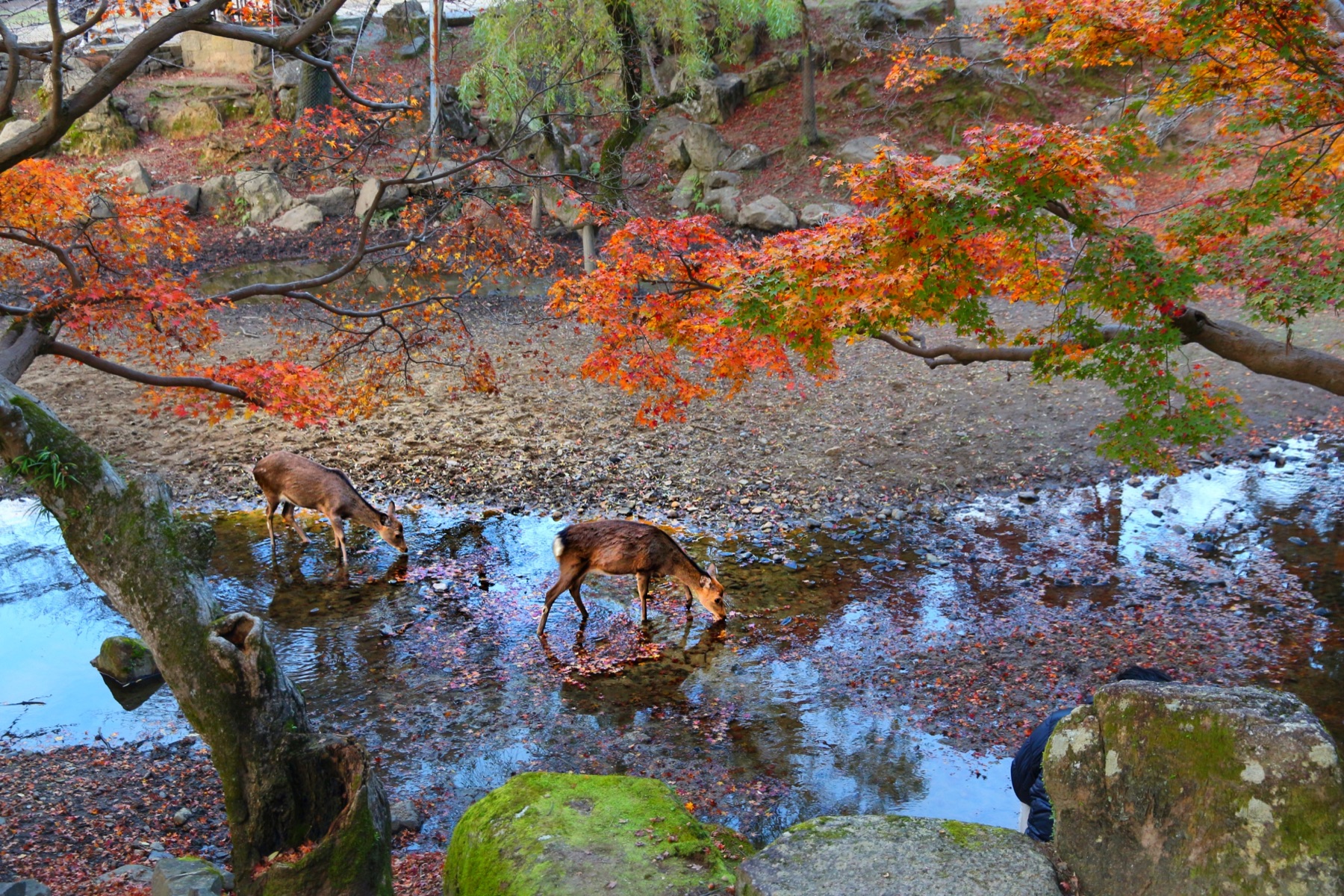
Look at the approach first
At the image of Nandaimon, begin with the ground, the gaps between columns and the direction of the passage. An entrance can change the rhythm of looking before we understand any of its details. Give the approach a little attention before turning to the whole building.
Move your gaze from the ground to the eaves and back to the column bases. The photograph cannot establish exact dimensions, but it can show relationships: lines that rise, surfaces that spread sideways and openings that invite a pause.
Nandaimon: read the spaces between columns
A roof can dominate our first impression of a timber building. Try looking at the spaces beneath it instead. Background and light enter through these openings, dividing a large structure into smaller parts that are easier to examine one at a time.
Compare the two sides of the photograph. Are shadows equally deep and backgrounds equally clear? Differences may reflect the camera position or that moment’s light. Keep observations separate from explanations, then turn to the chapter references for context.
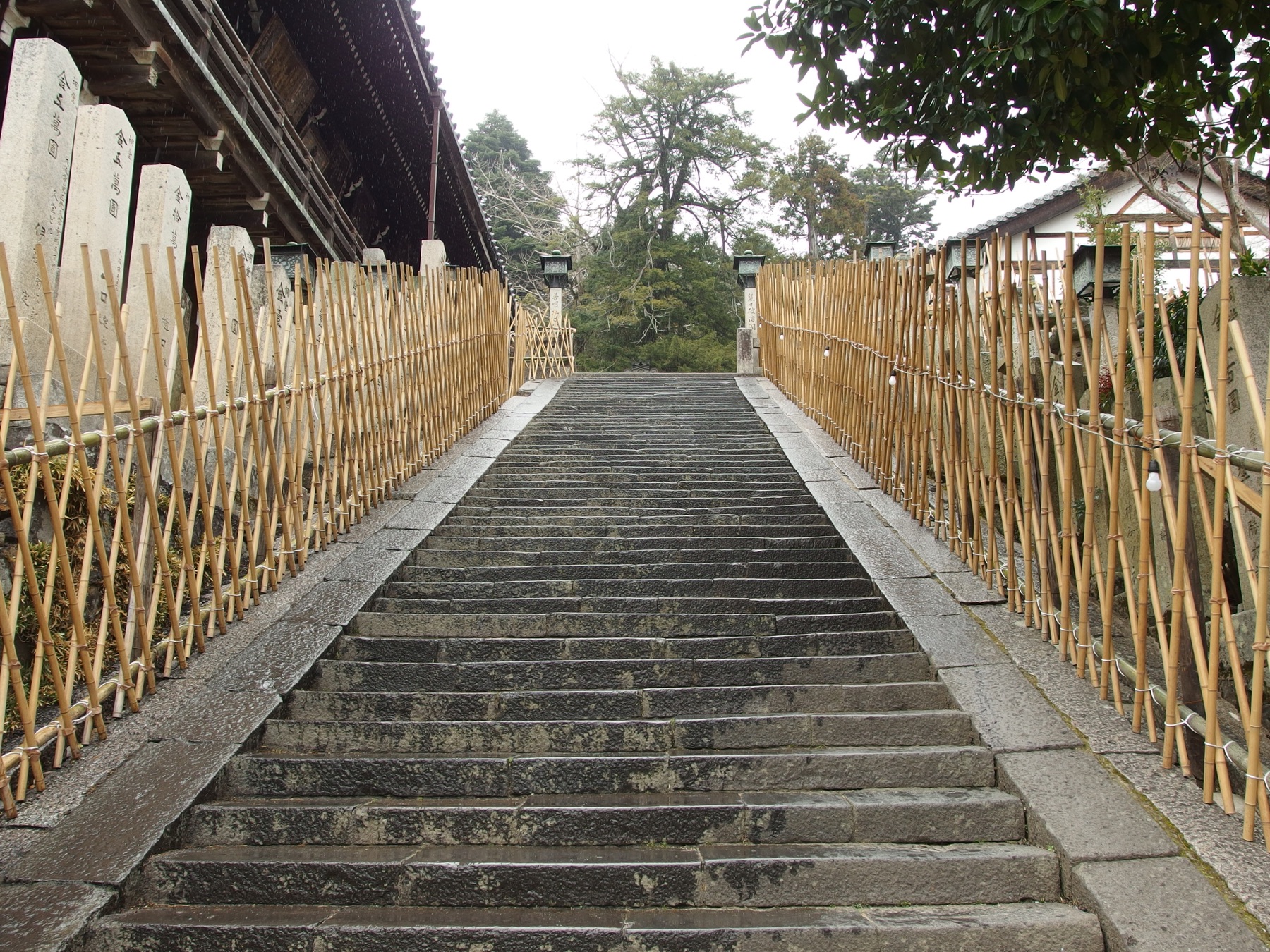
Nigatsudo: keep something close in a distant view
In the Nigatsudo chapter, find a nearby reference before looking into the distance: a railing, the ground or a building at the edge of the frame. A close element can help an open view feel like a place rather than an isolated panorama.
Return to the passage and the boundaries beside it. Which detail makes you want to linger? Online imagery can help identify that interest, while its light and visibility remain records of a particular moment rather than promises about a future visit.
Kasuga Taisha: follow a direction through shade
In imagery associated with Kasuga Taisha, follow the passage before examining trees, lanterns and buildings on either side. Finding one clear direction makes a detailed photograph easier to read. Its elements become parts of a setting rather than a collection of decorations.
If colour attracts you first, try a second look devoted to light and shade. Where does the view open, and where does it narrow? Compare this with Nandaimon to see how entrances, passages and backgrounds can arrange attention in different ways.
Remember that these places remain in use
An entrance is also part of someone’s ordinary day. Open ground is not simply a photographic position, and a passage is more than a line in a composition. Looking carefully can include leaving room for uses and people beyond the frame.
Before visiting, read the venue’s official information and follow signs on site. A visible space is not automatically open for entry or photography. Choosing a place to pause without obstructing movement can also give you a calmer view of the details.
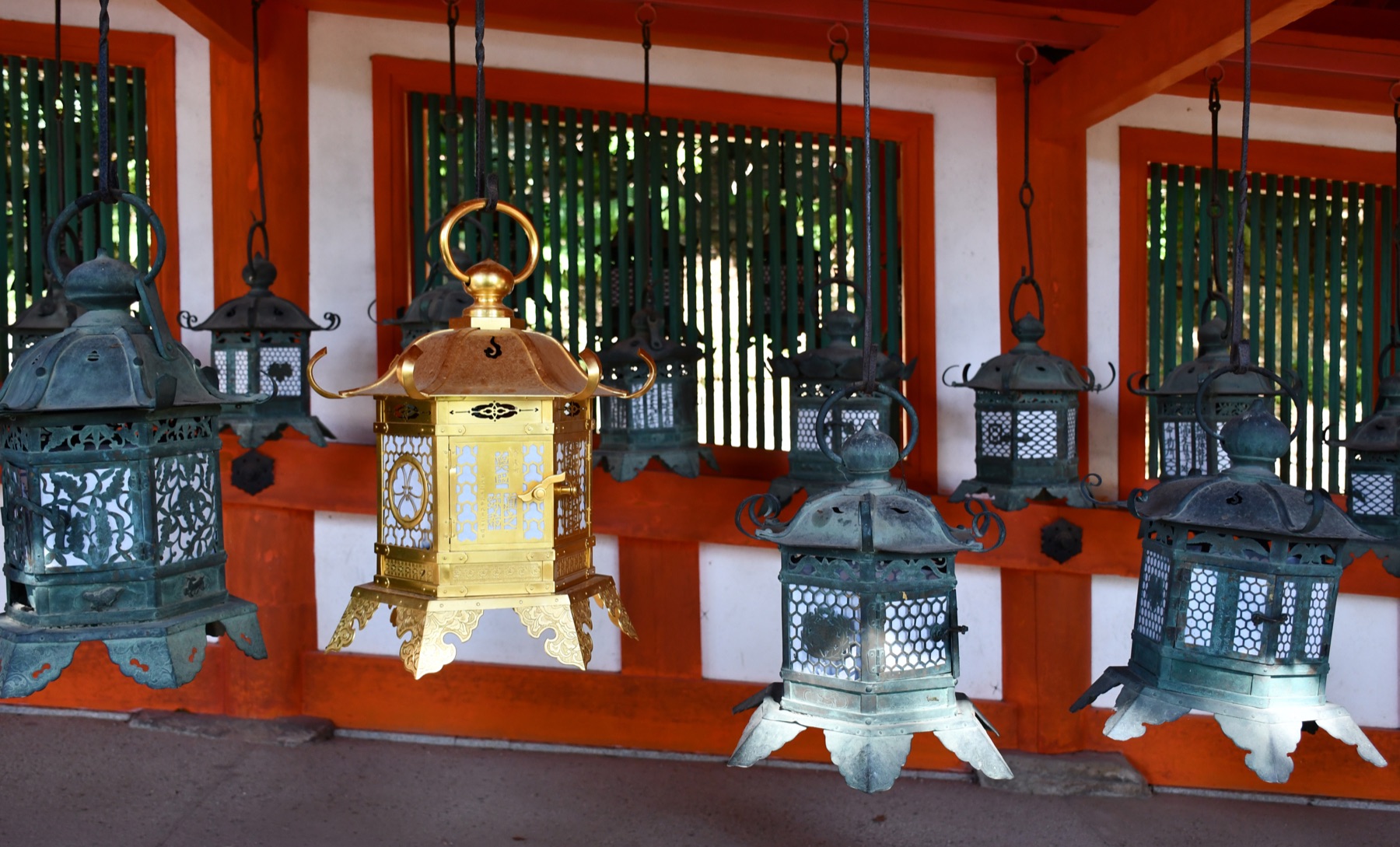
Keep three details of your own
Write down one detail each from Nandaimon, Nigatsudo and Kasuga Taisha: perhaps light between columns, part of a railing or a turn beneath trees. Three observations attached to actual images preserve more of the experience than a list of landmark names.
Choose the stop you most want to understand and continue into its journey chapter. This essay suggests a way of looking; chapter changes do not establish a continuous walking route. For a real visit, use the preparation references to check transport and arrangements.
Further reading and journey sources
This is an original WalkThere observation essay. These sources provide context for the related journey; imagery does not establish current conditions.
Place context
- Travel to Nara — Official Nara Travel Guide
- History of Nara — Official Nara Travel Guide
- Kintetsu Nara Station Tourist Information Center — Official Nara Travel Guide
- Naramachi Area Guide — Official Nara Travel Guide
- Nara Park Area Guide — Official Nara Travel Guide
- The Sacred Deer of Nara — Official Nara Travel Guide
- Explore Nara's World Heritage Sites — Official Nara Travel Guide
- Nigatsudo — Official Nara Travel Guide
- Kasugataisha — Official Nara Travel Guide
- World Heritage in Nara — Official Nara Travel Guide