
Maxwell Food Centre: A Meal at a Common Table
Read Maxwell through individual stalls, shared seating and the work of ordering and dining, where Singapore’s hawker culture extends beyond a list of famous dishes.
Singapore ChinatownObservation essay
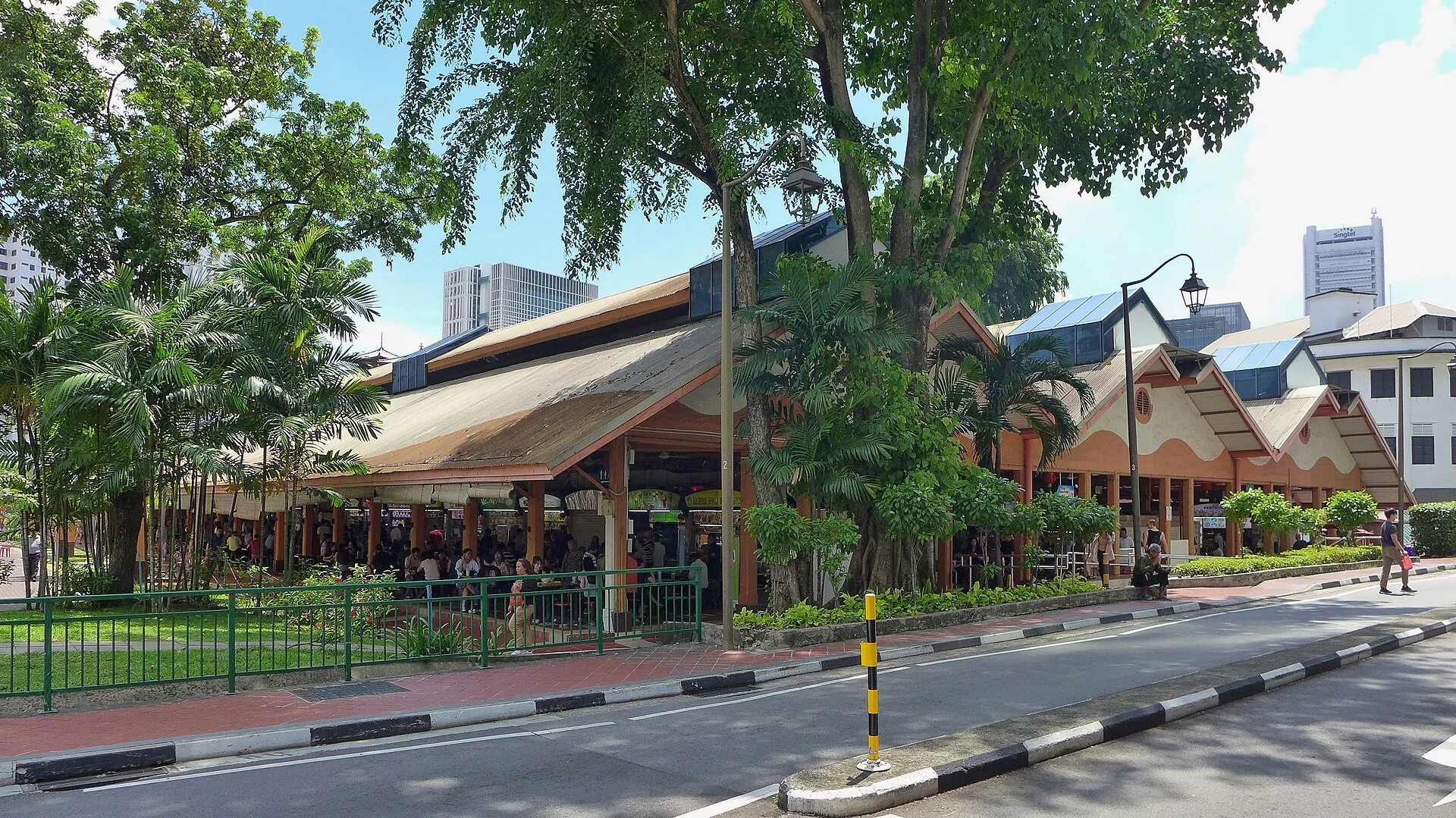
Notice the tables before choosing a stall
Maxwell is easily introduced through famous dishes and queues. Looking first at the shared tables reveals another arrangement: separate businesses supply food to a common dining space. The second part of a meal need not take place beside the stall that cooked it.
Companions can choose separately and return to one table. Different preferences need not fit one restaurant’s menu. Individual cooking practices and collective use of space coexist, giving the setting a character beyond its selection of food.
A market site became a place for prepared meals
The National Heritage Board records Maxwell’s earlier use as a wet market and its conversion to a food centre in the early 1980s. Buying ingredients and buying a prepared meal involve different patterns of work, waiting and seating.
The present building does not recreate that earlier market. Its history instead helps explain how activities change within a site. Food culture includes the organisation of cooking, exchange and cleaning as well as the taste of a dish.
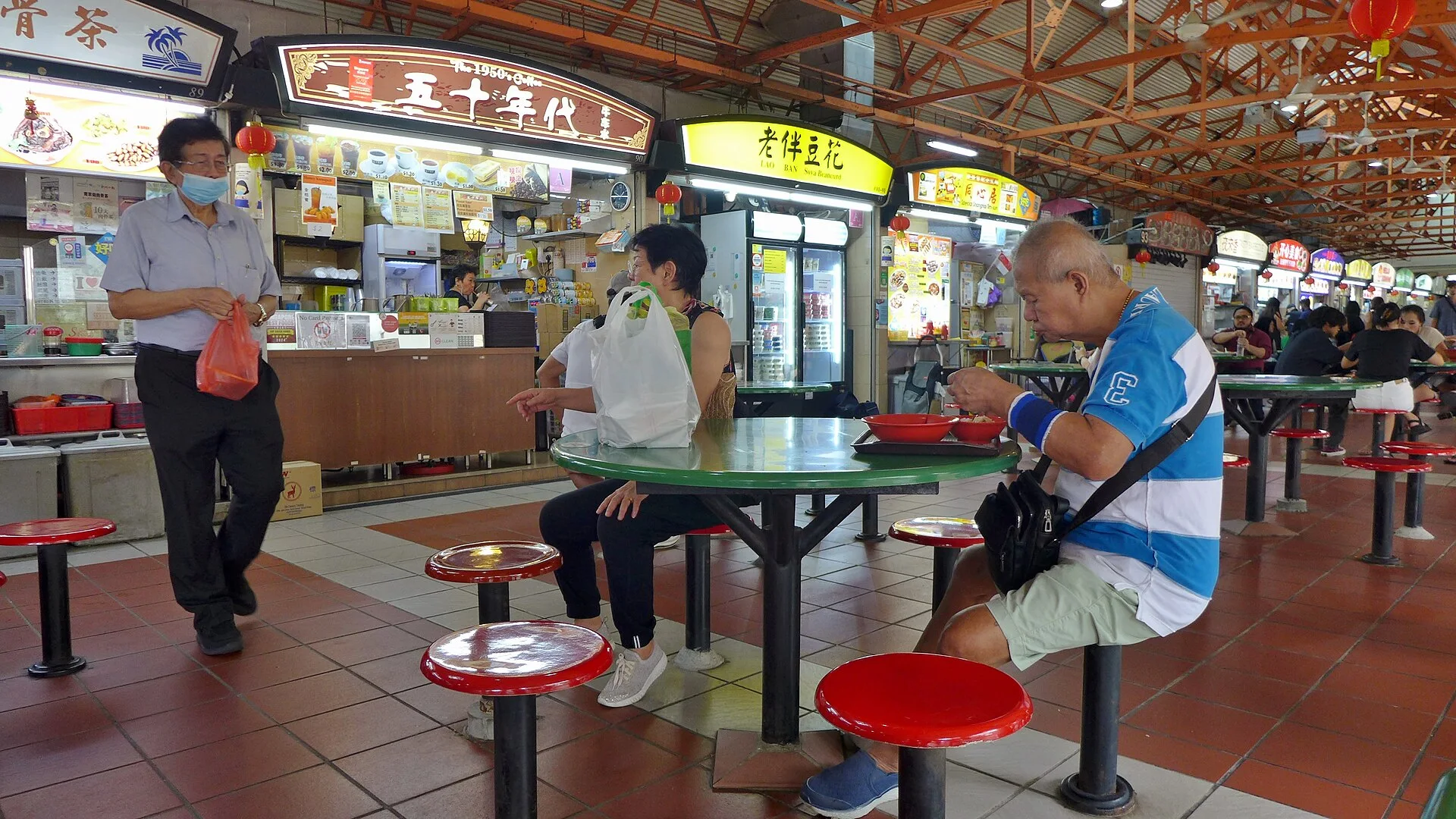
Hawker culture includes those who sit down
UNESCO’s description connects community dining with culinary practices in Singapore. Different backgrounds meet through eating in a shared setting. Cooking, choosing and dining together all contribute to its use.
Transmission is therefore more than keeping a recipe unchanged. Breakfast customers, colleagues at lunch and diners taking their time help establish different rhythms. A visitor enters those relationships rather than observing heritage entirely from outside.
Queuing, finding a seat and carrying food differ
Finding a preferred stall is only one task. A newcomer also identifies where to order, where to wait and how to carry food through shared space. A queue belongs to a business, while the passage serves many others.
Observe signs and follow stall guidance rather than assuming one unified restaurant service. Menus, payment methods and hours vary. An old photograph records a past arrangement, not a guarantee of current prices or availability.
A meal changes the scale of Chinatown
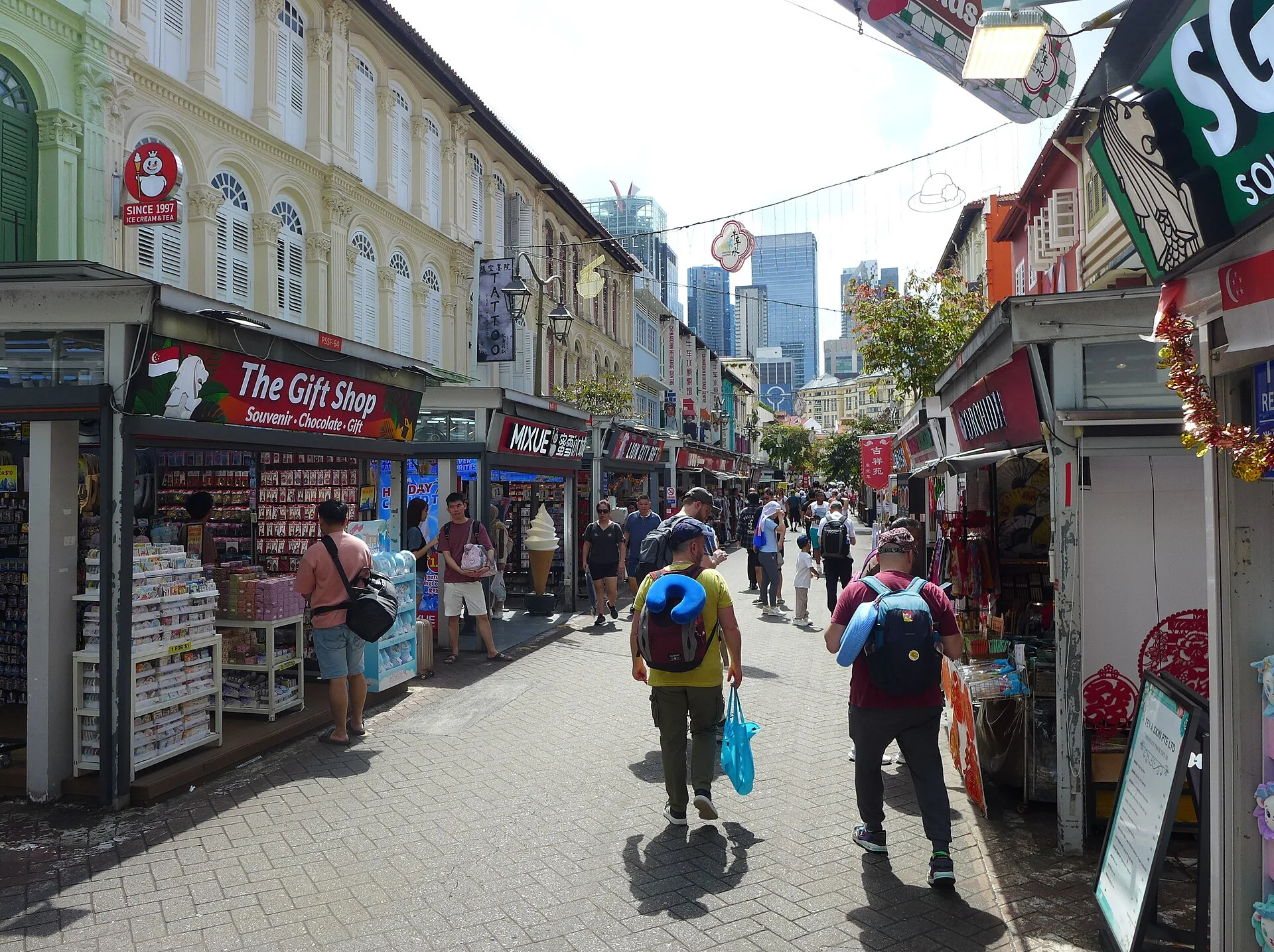
Before sitting down, Chinatown may seem to consist mainly of façades and landmarks. Dining lengthens the encounter. Sharing a room, giving way and waiting are ordinary forms of public life without requiring a remarkable conversation.
Returning towards Pagoda Street can then make everyday uses more apparent. The district supplies places for working, eating and resting as well as recognisable images. Maxwell adds one such use without needing to represent the entire neighbourhood.
An ordinary meal is worth noticing
There is no need to sample every famous stall to validate a visit. Choose a meal that suits you, notice how it reaches the table and follow current arrangements for clearing and returning items. Those actions participate in the place.
The memory may be a dish or the way companions chose separately and ate together. One concerns flavour, the other shared space. Keeping both makes a food centre more than a position on a restaurant ranking.
References
These sources inform the essay’s historical and local context. Its observations and interpretations are original to WalkThere.
UNESCO Intangible Cultural Heritage
Hawker culture in Singapore: community dining and culinary practicesHeritage context for hawker culture and community dining.
National Heritage Board
Maxwell Road Food CentreLocal historical information about Maxwell Food Centre.
More journey background
Related journey sources
- The Pagoda Street Bazaar — National Heritage Board
- Chinatown Heritage Centre — National Heritage Board
- Jamae Mosque — National Heritage Board
- Sri Mariamman Temple — National Heritage Board
- Buddha Tooth Relic Temple & Museum — Singapore Tourism Board