
Hong Kong’s Man Mo Temple: a place to worship and to meet
Read worship, neighbourhood discussion and charitable connections through the Man Mo compound, with three different photographs placing it within Sheung Wan.
Old Town CentralObservation essay
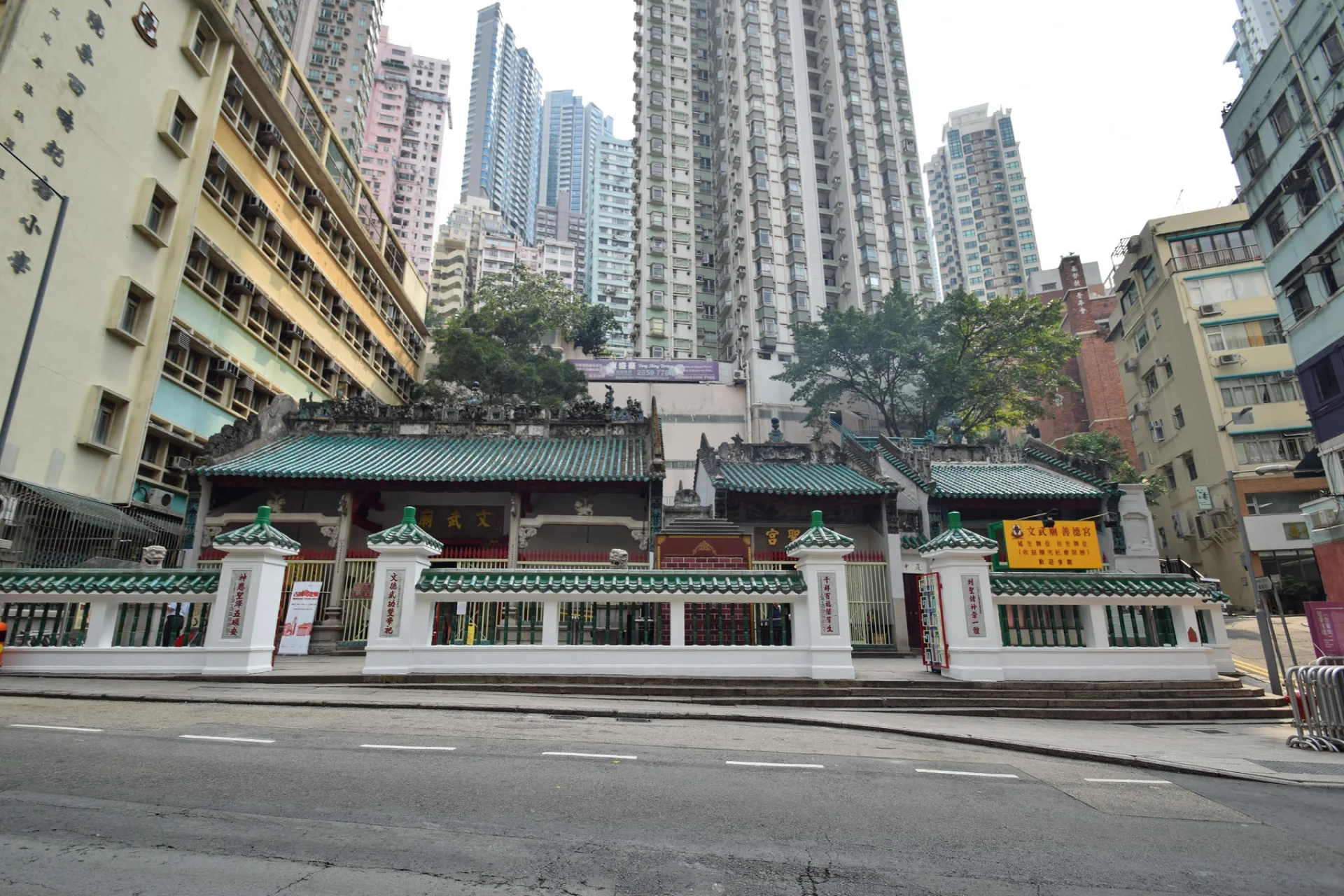
One name, several rooms
Man Mo Temple is often treated as one destination. Tung Wah’s account distinguishes Man Mo Temple, Lit Shing Kung and Kung Sor within the compound. That grouping opens another question beside dedication and decoration: what did people come to these different rooms to do?
From the street, roofs, doors and inscriptions form a single frontage. Adjacent buildings need not have identical functions. Separating names from uses keeps a complex local institution from becoming simply an old-temple label.
Discussion beside worship
Tung Wah records earlier neighbourhood management and a role in discussing affairs and resolving disputes. Those activities are less easily photographed than carving. A conversation leaves no obvious mark on a door after the participants have gone.
There is no need to invent a particular disagreement. Knowing that discussion belonged here gives the assembly hall a clearer meaning. A place that gathered people for worship could also accommodate matters they needed to settle together.
A custodian enters the history
In 1908 the temple and its properties were entrusted to Tung Wah Hospital. That change, documented by the institution, makes continued use part of the story. Buildings require responsibility, maintenance and resources after the moment of construction.
A photograph makes walls appear stable while concealing those arrangements. Reading about stewardship adds something different from a foundation date: it asks how care continued. Both kinds of history are needed to understand a place that remains in use.
Connections beyond the gate
Tung Wah’s account of the 1958 ordinance revision links revenue with education for Chinese children, charity and medical services. This does not establish today’s individual expenditure, but it documents social connections extending beyond religious ceremonies.
From the pavement, the compound may appear to be a relatively contained place of worship. In institutional records it connects with other buildings, services and people. Its physical boundary and the reach of its relationships are different things.
The street restores another scale
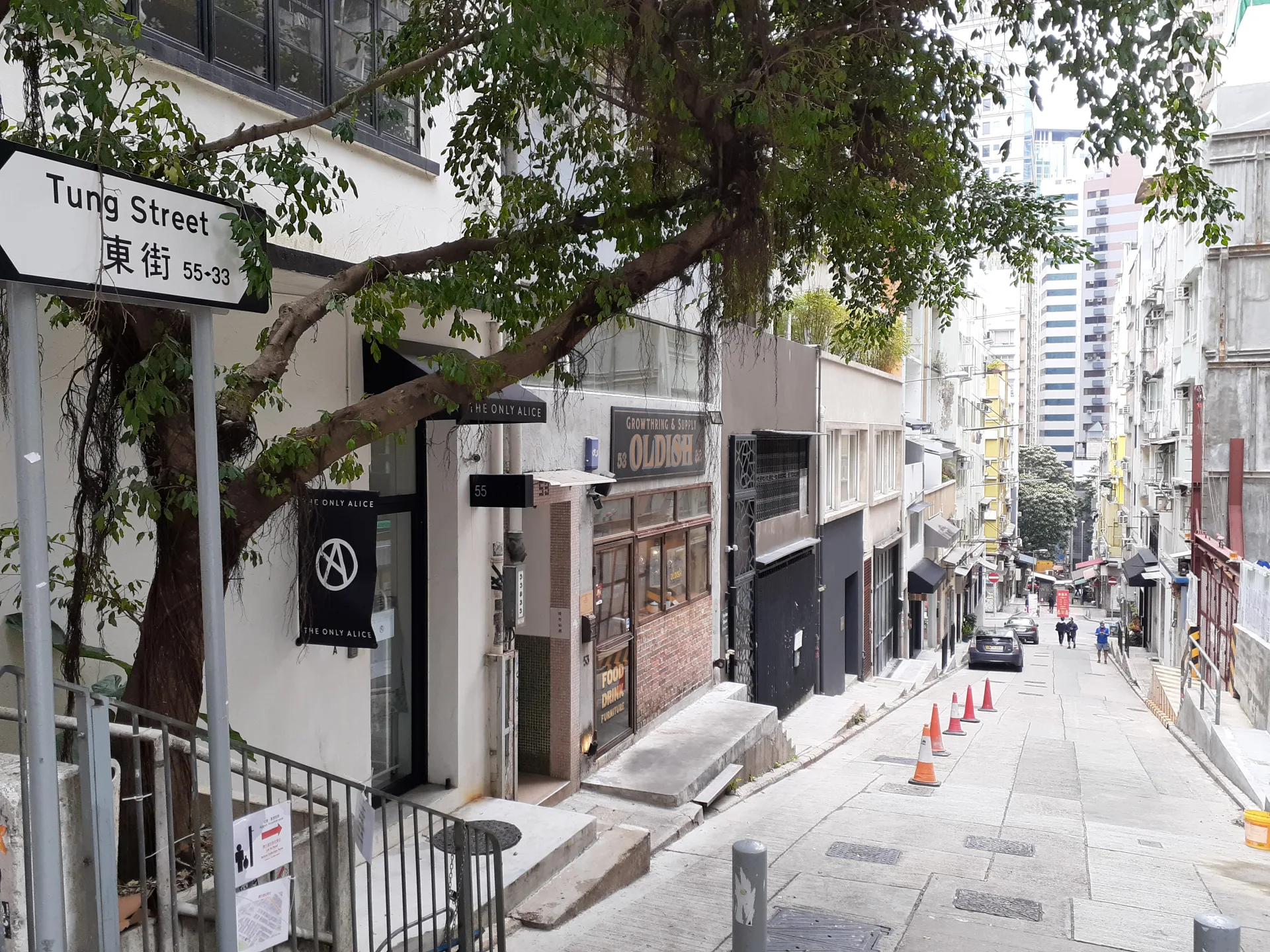
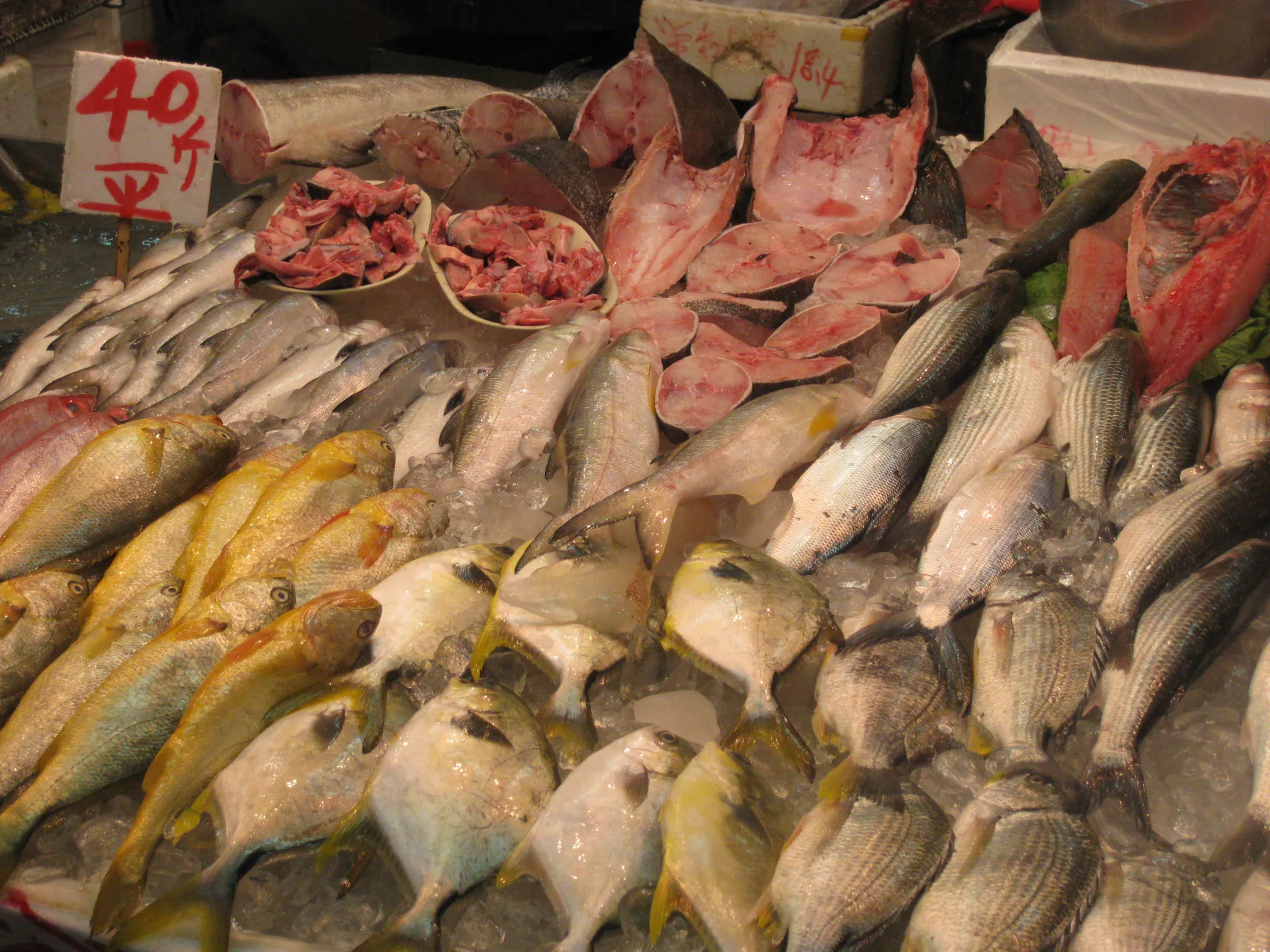
The second photograph is of Tai Ping Shan Street; the third shows Graham Street Market. Neither depicts the temple interior or an event there. They return ordinary street names, slopes, shops and trade to the surrounding urban picture.
A religious building has a recognisable form. Everyday streets are often remembered through errands and routes instead. Placing them alongside the compound helps locate one gathering place within a more dispersed geography of daily activity.
Keep a question about meeting
An assembly hall leaves a useful question after a visit: outside formal offices, where did people meet to handle shared affairs? It can travel to another city, although the answer must be researched separately in each place.
At the temple, allow room for worshippers and staff rather than blocking a doorway for a photograph. Understanding the grouping does not require reaching every corner. Even from outside, several adjacent rooms can become more legible once their different roles are known.
References
These sources inform the essay’s historical and local context. Its observations and interpretations are original to WalkThere.
Tung Wah Group of Hospitals
Man Mo Temple CompoundInstitutional history of the compound, discussion, stewardship and charity.
Antiquities and Monuments Office
Man Mo Temple CompoundThe Antiquities and Monuments Office account of the historic compound.
More journey background
Related journey sources
- Old Town Central — Hong Kong Tourism Board
- Old Town Central self-guided walks — Hong Kong Tourism Board
- History of PMQ — PMQ
- Graham Street Market — Hong Kong Tourism Board
- Historical timeline — Tai Kwun
- Heritage at Tai Kwun — Tai Kwun