
Bukchon: Homes Beneath the Hanok Roofs
Read Bukchon through walls, thresholds and sloping lanes, distinguishing a residential neighbourhood from an open exhibition and current visitor hours from historical photographs.
Seoul BukchonObservation essay
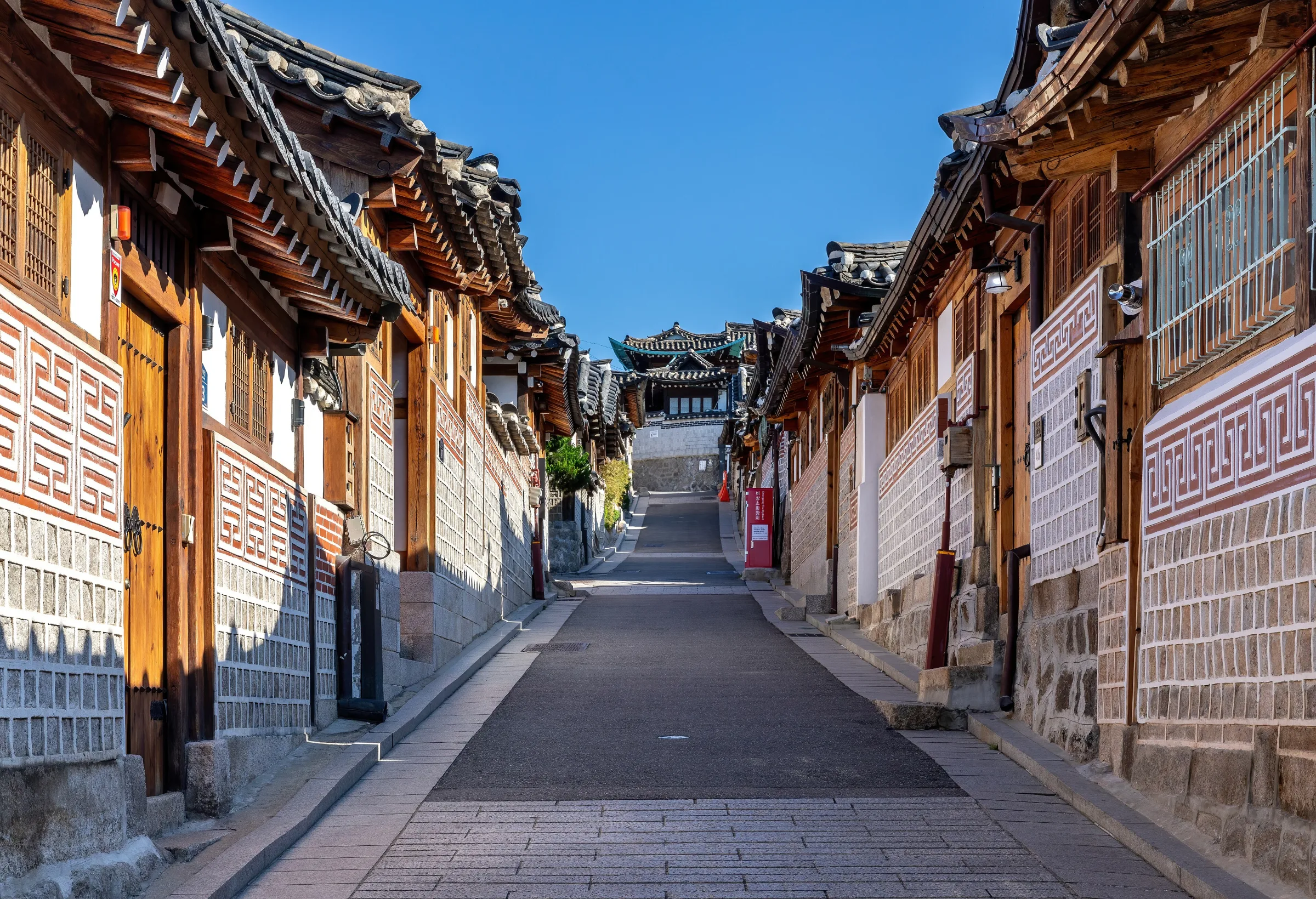
Roofs form a view; doors belong to households
A photograph can organise Bukchon’s separate roofs into a single landscape. At lane level, individual gates and boundaries become clear. Attractive exteriors do not make the spaces behind them public.
Keep both scales in mind: the roofscape that can be viewed at a distance and entrances used in daily life. Treating the entire hanok neighbourhood as an open display confuses the visitor’s relationship with it.
A wall limits what can be known
Courtyard walls separate the street from domestic space and leave roof edges visible above them. The partial view need not be completed by raising a camera over a wall or pointing it through a doorway.
Corners, thresholds and changes of level already explain relationships with the lane. They do not establish interior plans or a household’s circumstances. Acknowledging what remains unseen is part of accurate observation.
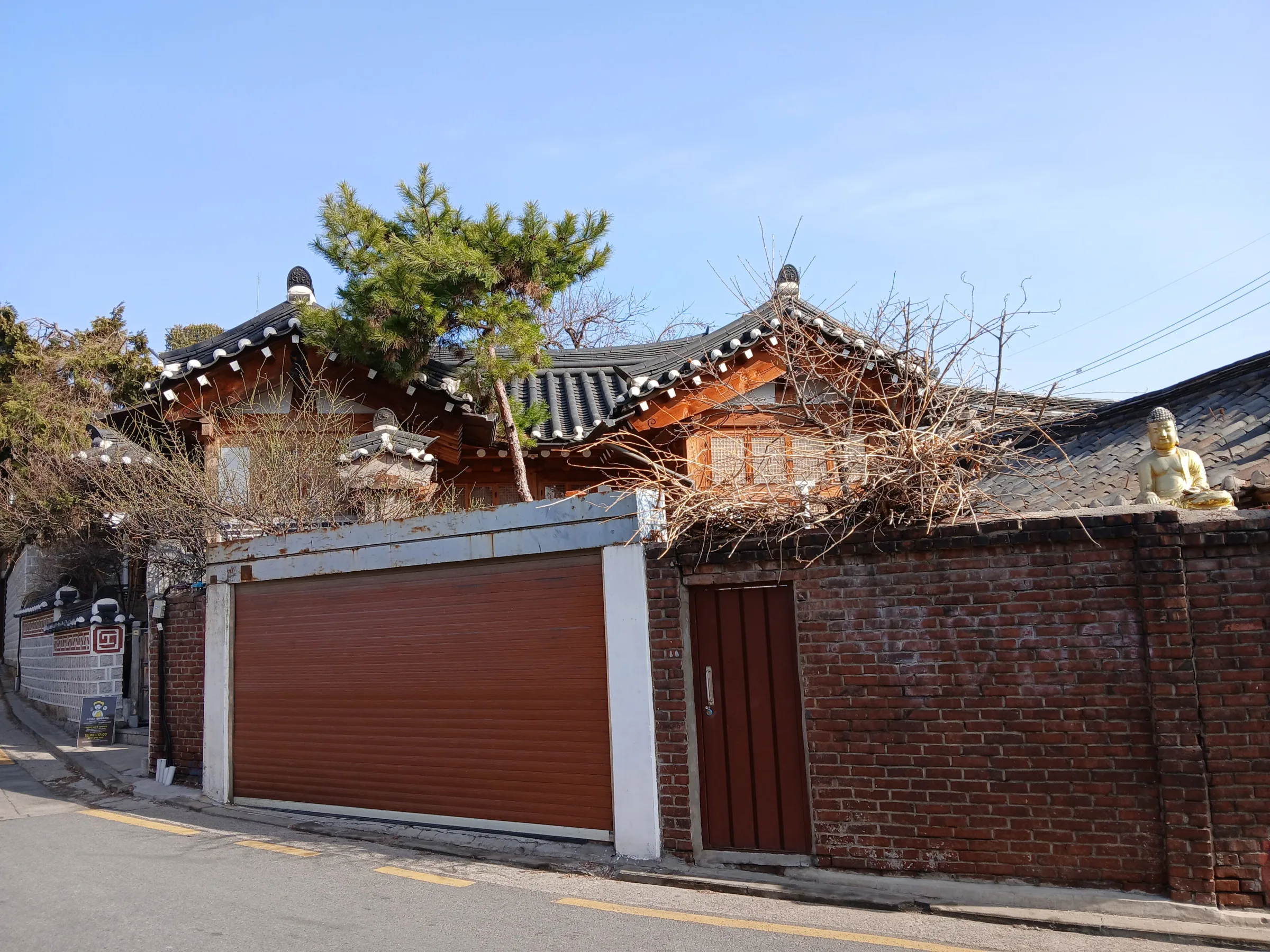
A picturesque slope is also a daily route
Slopes layer roofs in photographs but also shape everyday movement. People going uphill, returning home and stopping briefly at a door share the same limited space with visitors seeking a composition.
Disruption need not involve loud noise. A blocked entrance or a group lingering in a narrow place can alter access. Quietness is connected with residents’ use of the neighbourhood, not merely an atmosphere supplied for tourism.
A familiar view does not imply unrestricted hours
Seoul’s special-management notice restricts tourist visits in the designated Bukchon-ro 11-gil red zone from 5 p.m. to 10 a.m. and identifies Sunday as an alleyway rest day. Those provisions should not be generalised to every road in Bukchon.
Arriving early for an empty photograph is therefore not universal advice. Blue-hour or night images document their capture dates, not present permission. Consult updated city information and signs before visiting; photographs and access notices answer different questions.
Public cultural places and houses need separate readings
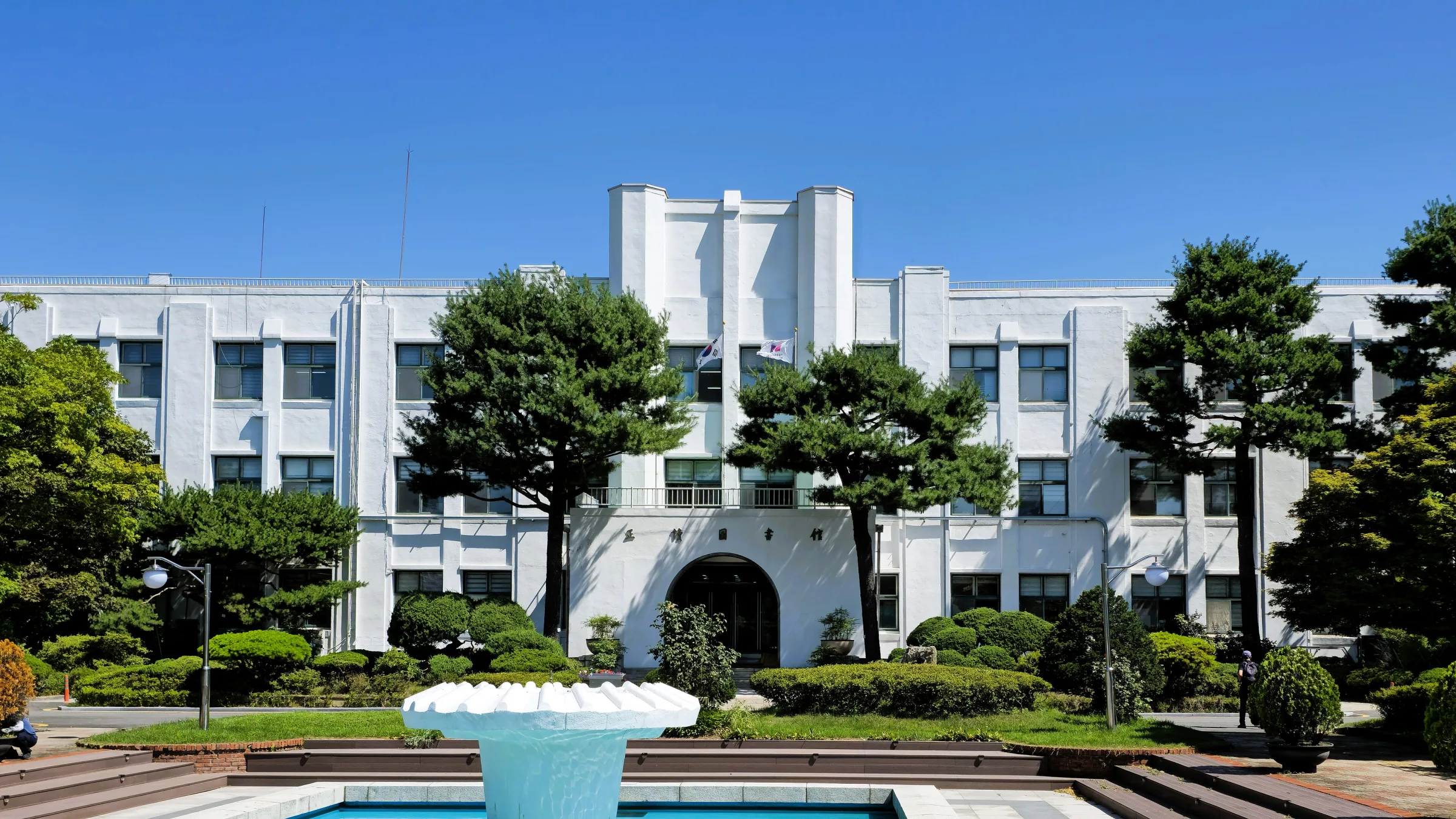
Places such as Jeongdok Library introduce a different arrangement of buildings and open areas from residential lanes. Public facilities still have their own opening and usage requirements.
One hanok offering activities does not make the neighbouring home accessible. Restrictions in a residential lane also do not establish the status of every nearby facility. Identify each place’s use rather than assigning one label to the whole district.
Leave the threshold available after looking
A visit does not require entering every lane. In permitted areas, observe how roofs, walls and slopes relate while leaving circulation clear. Knowing when to leave a doorway matters alongside knowing where to pause.
The lasting distinction is between a shared exterior view and private domestic space, or between a scenic lane and a route home. Preserving those differences returns people to the roofscape.
References
These sources inform the essay’s historical and local context. Its observations and interpretations are original to WalkThere.
Korea Tourism Organization
Bukchon Hanok VillageContext for Bukchon’s hanok and inhabited neighbourhood.
Seoul Metropolitan Government
Bukchon Special Management Area: tourist visiting restrictionsMunicipal guidance on visitor restrictions and protection of residents.
More journey background
Related journey sources
- Bukchon Hanok Village guided walking tour — Seoul Metropolitan Government
- 2025 Seoul Tourist Guide — Seoul Tourism Organization