
Dadaocheng: From a Roll of Cloth to the Tamsui River
Follow Dihua Street’s dry goods and textile trade through Yongle Market, Xia-Hai City God Temple and the former wharf to understand a working Taipei neighbourhood.
Taipei DadaochengObservation essay
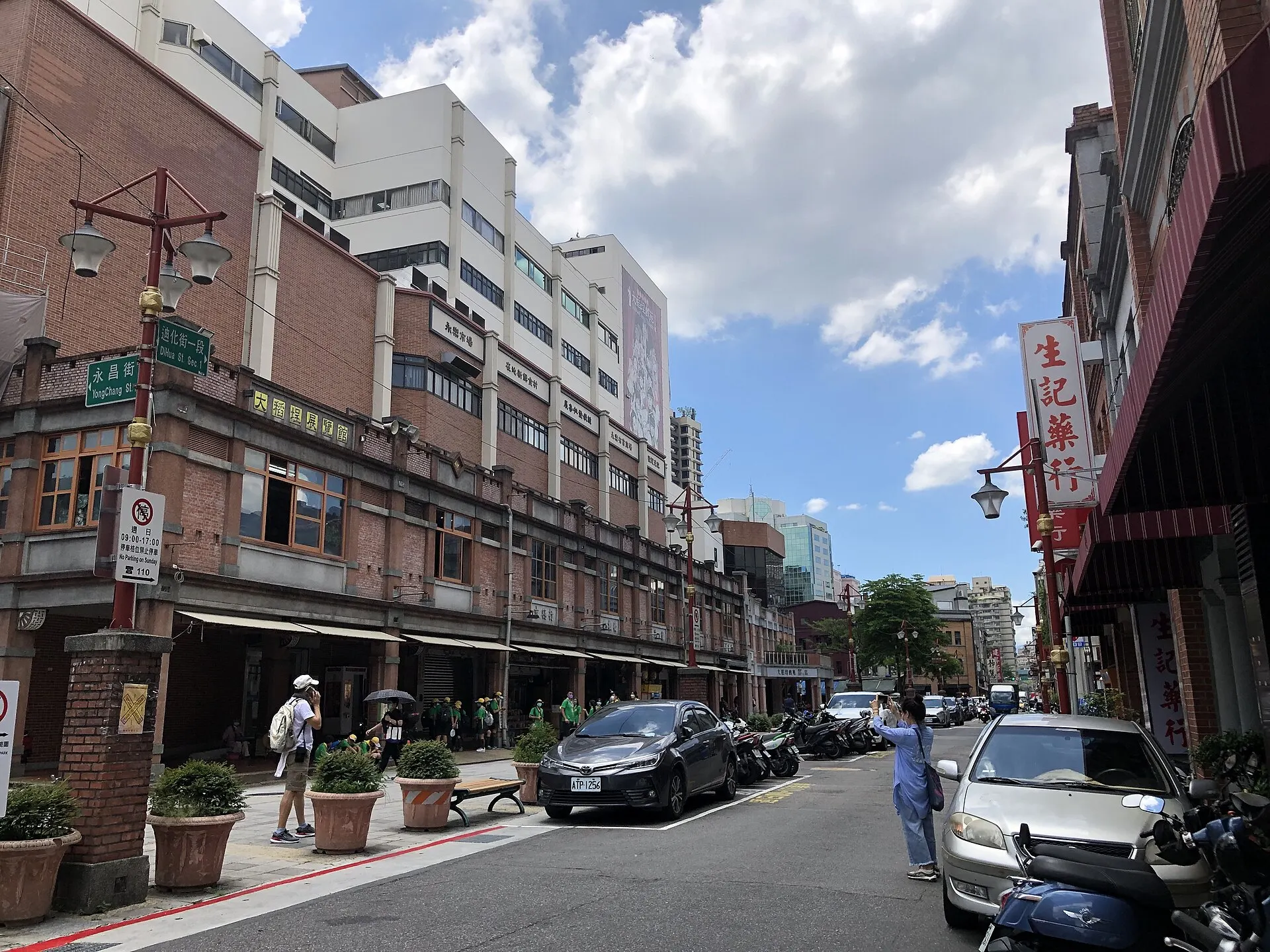
Read the shop signs first
Dadaocheng can be approached through its trades before its architectural dates. Taipei’s tourism material lists dry goods, Chinese medicinal ingredients, tea and textiles among Dihua Street’s businesses. Each points towards practical needs, from household cooking to sourcing material for another object.
This changes how the street is experienced. A visitor may look upwards at a façade while a customer studies a product. Entrances still need to work, deliveries need room and conversations are part of trade. Those different kinds of attention share the same pavement.
Dry goods are not a nostalgic display
A shelf of dried ingredients can make an attractive photograph. For a buyer, variety, quantity, storage and intended use are more important. Asking what a product is for returns the shop to its practical purpose rather than treating it as scenery.
Nor does one glance establish a business’s entire history. Stock and customers change; old signs may sit above newer products. There is no need to assign an invented century-long lineage to every shop. Continued trading can involve change as well as continuity.
Cloth leaves the final shape undecided
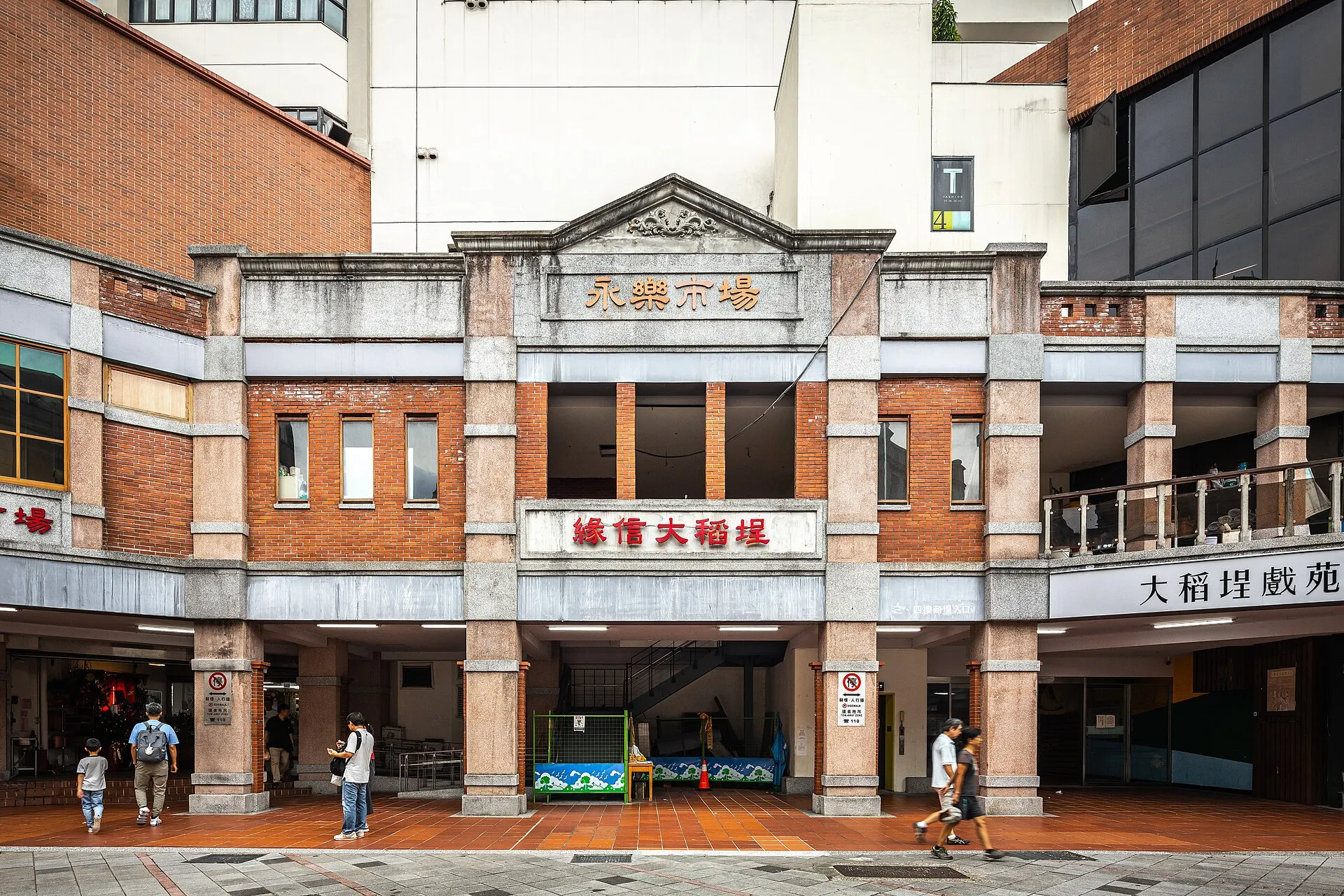
Yongle Market introduces another scale of commerce. The city’s account places textiles alongside food activity, making clear that the market is more than an exterior landmark. Understanding it requires more than recognising the name on the façade.
A finished garment has a shape; cloth leaves decisions ahead. Width, drape, texture and quantity matter to someone planning a piece of work. These are questions involved in choosing materials, not promises about any vendor’s stock. Even without buying, understanding those questions gives the colours and patterns a purpose.
A temple doorway beside shop doors
Taipei Xia-Hai City God Temple occupies the same commercial street. Official tourism information discusses the City God and Yue Lao traditions. The familiar association with matchmaking should not be allowed to explain the entire religious place.
Its proximity to shops also matters. Work, purchases and worship need not occupy isolated districts. A person may pass the same doorway for different reasons within one day. Giving a worshipper space offers a better understanding of that relationship than waiting for an entirely empty entrance photograph.
The waterfront gives goods a wider setting
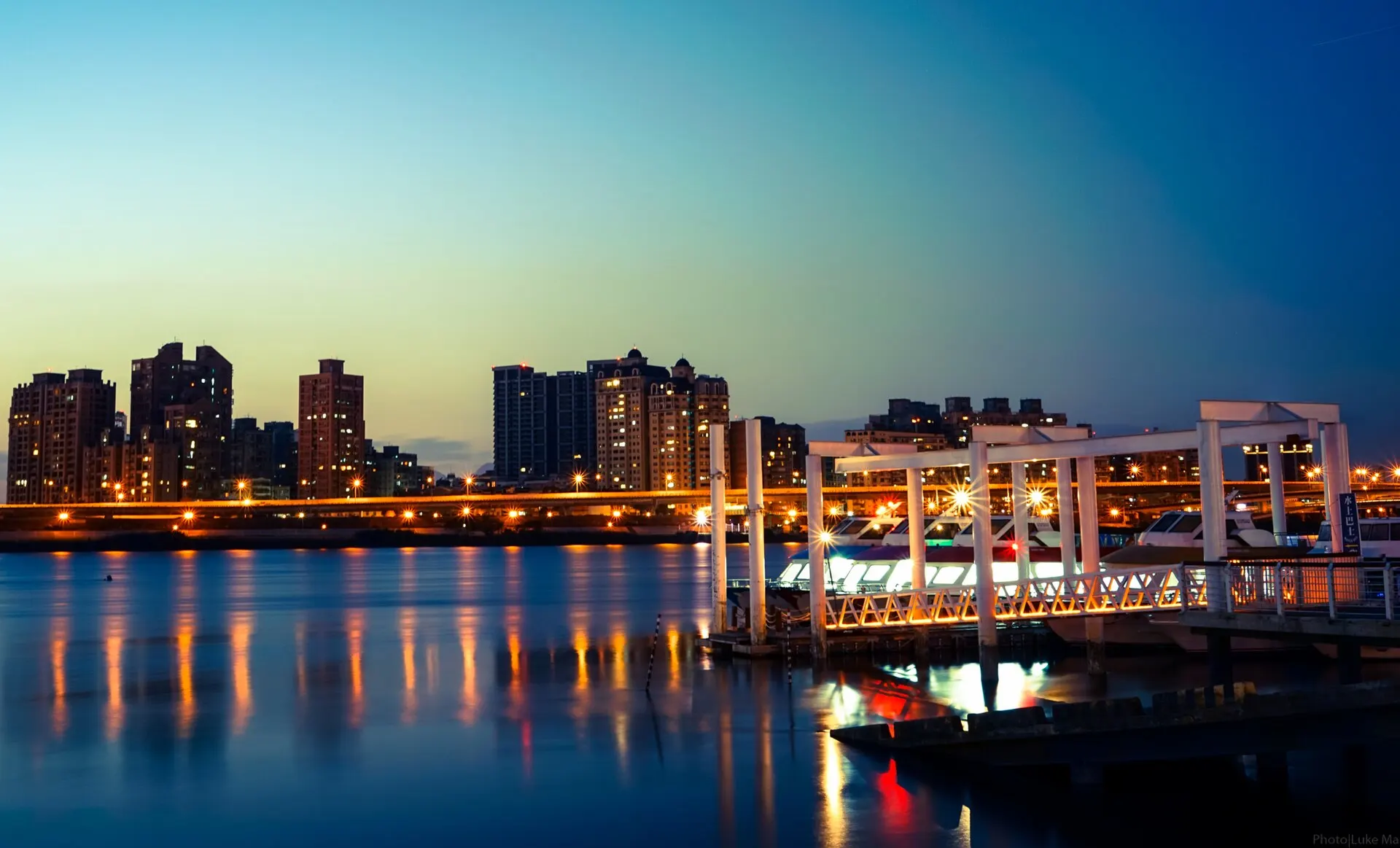
Taiwan’s tourism account connects the former wharf with tea and cloth shipments. The Tamsui River therefore adds more than a pleasant ending to a shopping walk. It helps place the street’s businesses within a wider history of transport.
The waterfront today does not reproduce the historical port. The journey’s photographs of boats, riverbanks and a watergate were taken in different years. They establish spatial relationships rather than one continuous event. Former shipping uses and present-day leisure belong to different chapters of the same location.
New uses also belong to the street
Traditional trades and visitor-facing businesses coexist in Dadaocheng. Rejecting every new café as an intrusion, or noticing only fashionable shops, both simplify the neighbourhood. More useful questions concern how a new use fits its surroundings and whether other activities remain visible.
Give a short visit three threads: shop signs, materials at the market and the river connection. Together they explain more than a sequence of façades. The lasting impression may be less about buying a particular souvenir than recognising the exchanges that still give the street its reason to open.
References
These sources inform the essay’s historical and local context. Its observations and interpretations are original to WalkThere.
Taipei Travel
Dihua Shopping DistrictLocal context for Dihua Street’s shops and traditional trades.
Taipei City Government
Yongle MarketBackground on Yongle Market and the fabric trade.
Taiwan Tourism Administration
Dadaocheng WharfLocal context for Dadaocheng Wharf and the Tamsui waterfront.
More journey background
Related journey sources
- Retro Dadaocheng Tour — Taipei Travel
- The History of Dadaocheng — Taipei City Government
- Taipei Xia-Hai City God Temple — Taiwan Tourism Administration